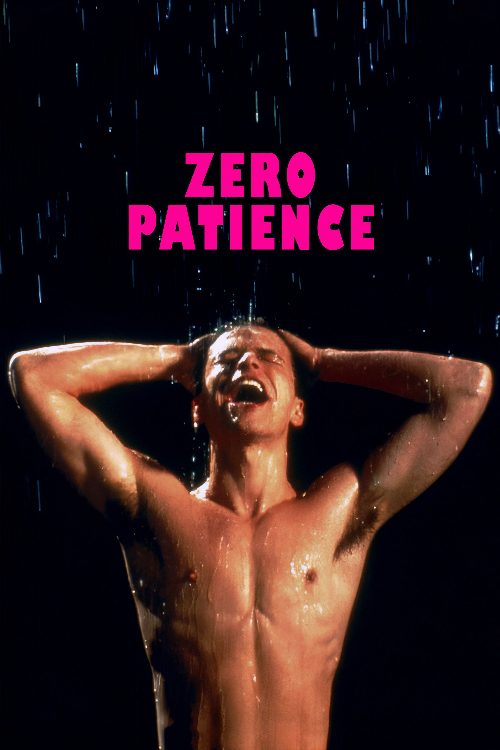
Zero Patience(1993)
About Zero Patience
The ghost of "patient zero", who allegedly first brought AIDS to North America - materialises and tries to contact old friends. Meanwhile, the Victorian explorer Sir Richard Burton, who drank from the Fountain of Youth and now works as Chief Taxidermist at the Toronto Natural history Museum, is trying to organise an exhibition about the disease for the museum's "Hall of Contagion".
Few cinematic works from the early nineties managed to blend historical whimsy with the raw urgency of a public health crisis quite like Zero Patience. Directed by John Greyson, this film stands as a bold, experimental piece of queer cinema that chooses to tackle the stigma surrounding the AIDS epidemic through the lens of a musical fantasy. By juxtaposing the spectral presence of a figure unfairly blamed for the spread of the virus with the eccentric, immortality-seeking Sir Richard Burton, the narrative creates a surreal landscape that feels both deeply grounded in its era and ahead of its time. It is a defiant act of storytelling that rejects the somber, detached documentaries often associated with the subject, opting instead for a vibrant, theatrical approach that challenges the viewer to look past the myths surrounding the origins of the disease.
The film serves as a fascinating historical artifact, reflecting the intense socio-political climate of its time while showcasing a creative fearlessness that remains rare in contemporary filmmaking. For audiences who appreciate the evolving landscape of global cinema, including the bold thematic risks often seen in modern independent projects from across India, this movie offers a masterclass in tone management. It balances the gravity of loss with a campy, operatic spirit that highlights the absurdity of the moral panic that defined the period. Viewers who enjoy unconventional narratives that refuse to be categorized by a single genre will likely find the interplay between the museum setting and the spectral encounters to be a compelling, intellectual puzzle.
John Greyson utilizes his background in music and visual arts to ensure that the film never descends into preachy territory, keeping the pace brisk and the visuals consistently surprising. The inclusion of the Victorian explorer, portrayed as a taxidermist obsessed with his legacy, provides a necessary layer of dark humor that prevents the tragedy from becoming overwhelming. This is a vital watch for film enthusiasts who value art that functions as both a time capsule and a critique of societal prejudice. By dismantling the narrative of the patient zero scapegoat, the film remains a potent piece of activist art that speaks to the importance of accurate history and human empathy. It is an essential recommendation for those who seek out cinema that dares to be provocative, theatrical, and unapologetically sincere in its search for the truth behind a collective tragedy.
Cast(42)