About Zwei glückliche Menschen
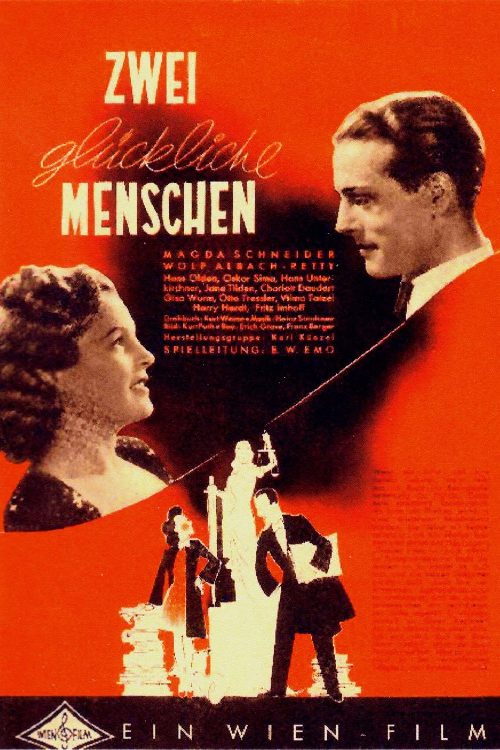
Cinema history often buries gems from the early nineteen forties under the weight of the era’s turbulent political climate, yet Zwei glückliche Menschen manages to offer a surprisingly lighthearted window into the German comedic sensibilities of 1943. Directed by E.W. Emo, a filmmaker known for his ability to craft breezy, escapist entertainment, this production leans heavily into the screwball traditions that were finding resonance across global screens during that decade. While contemporary audiences familiar with the high-octane narrative shifts of modern Telugu or Hindi cinema might find the pacing deliberate, there is a distinct charm in how the film navigates its central romantic entanglements. It represents a period piece that functions as a time capsule, capturing a specific style of theatrical performance and wit that defined the UFA studio era before the industry underwent massive structural changes.
The narrative framework revolves around the predictable yet delightful chaos of courtship and social misunderstandings, utilizing a ensemble cast led by Magda Schneider and Wolf Albach-Retty. Their chemistry serves as the anchor for a screenplay that prioritizes snappy dialogue over complex plotting, a hallmark of Emo’s directorial style. For viewers who enjoy classic European comedies, this film provides a study in how performance styles transitioned from silent era exaggeration to the more grounded, character-driven comedy that would eventually influence the romantic tropes seen in later global cinema. The film is positioned as a quintessential piece of wartime escapism, carefully avoiding the grim realities of the world outside the studio walls to focus entirely on the domestic and romantic whims of its protagonists.
This project is best suited for cinephiles who appreciate the evolution of the romantic comedy genre, particularly those who enjoy identifying the precursors to the mistaken-identity motifs frequently seen in Indian regional dramas. Oskar Sima provides a reliable comedic presence, effectively balancing the more whimsical elements of the story with a grounded performance that keeps the lighthearted tone consistent. While it lacks the spectacle associated with today’s big-budget blockbusters, its significance lies in its preservation of a specific craft—the art of the witty, dialogue-heavy farce. For anyone interested in how mid-century European directors handled tonal balance, this film remains a curious and entertaining artifact that highlights a time when the primary goal of the silver screen was to provide a momentary, uncomplicated reprieve from the pressures of reality.
Cast(5)

Crew
Director
Similar Films