
About 我的爱人
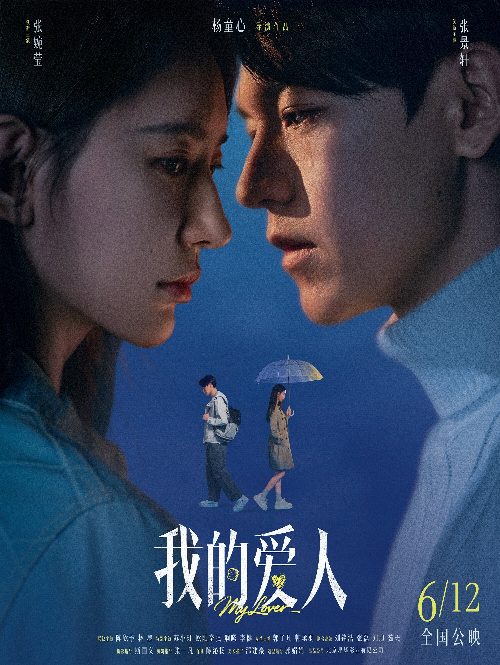
Yang Tongxin brings a refreshing sensibility to the romantic landscape with Wo De Ai Ren, a film that prioritizes emotional intimacy over the grand, melodramatic gestures often found in contemporary Chinese cinema. By focusing on the quiet complexities of human connection, the director crafts a narrative that feels both deeply personal and universally resonant. The story centers on the delicate interplay between its core characters, portrayed by a cast including Lan Xi and Maggie Chen, who navigate the shifting tides of love and personal growth. This film stands out by stripping away the ornamental distractions of modern romance, choosing instead to anchor its weight in the nuanced, unspoken communication between people who are trying to find their footing in a fast-paced urban environment.
For audiences who follow the evolution of Chinese dramas, this project serves as a compelling shift away from the high-concept fantasy or action-heavy blockbusters that frequently dominate the regional box office. It aligns more closely with the introspective, character-driven storytelling seen in recent independent features that have found success by emphasizing authenticity and grounded performances. The inclusion of actors like Zhang Jingxuan and Zhang Wanying adds a layer of depth to the ensemble, suggesting a commitment to a collaborative performance style that supports the director's vision of organic, lifelike interaction. As global interest in Chinese-language cinema continues to broaden, this film is positioned as a sophisticated entry that highlights the industry's growing confidence in exploring mature, understated themes.
Viewers who enjoy slow-burn narratives and character studies will likely find this work particularly rewarding. It is tailored for the audience that appreciates a film that trusts its viewers to interpret emotional beats rather than spelling them out through exposition. By avoiding the typical tropes of the genre, the creative team has delivered a piece that feels relevant to the modern experience of longing and belonging. Whether one is a dedicated follower of Yang Tongxin or simply a fan of international dramas that favor subtle storytelling, the film offers a meditative look at the intersections of our private lives. It is a thoughtful exploration of how we define our partners and ourselves, making it a noteworthy addition to the 2026 release calendar for those seeking a cinematic experience that lingers long after the screen goes dark.