
About 親馬鹿花合戦
Kingoro Yanagiya's 100th film.
Stepping back into the golden age of Japanese studio cinema, Oyabaka Hanagassen emerges as a fascinating time capsule of mid-century domestic comedy. Directed by Kunio Watanabe, this 1953 production occupies a unique space in the filmography of Kingoro Yanagiya, standing as a landmark achievement for the veteran performer as he celebrated his centennial screen appearance. While contemporary audiences often associate Japanese cinema from this era with the heavy, meditative dramas of masters like Ozu or Kurosawa, this work serves as a vital reminder that the industry was simultaneously perfecting a lighthearted, character-driven style of humor that resonated deeply with the postwar public. It captures a specific cultural mood where traditional social structures were beginning to chafe against the modernizing impulses of a country rebuilding its identity.
The narrative focuses on the comedic pitfalls of an overly doting father, a trope that has remained a staple in global storytelling from the classic comedies of the Showa period to the modern family dramas dominating today’s South Indian film industries. Much like the patriarch-centric comedies frequently seen in Telugu or Malayalam cinema, where the generational divide is played for both laughs and sentimental value, this film relies on the charismatic presence of its lead to anchor the chaos. Yanagiya brings a seasoned theatrical energy to the role, navigating the absurdity of parental overprotectiveness with a timing that feels remarkably fresh. For viewers who appreciate the interplay between rigid traditionalism and the chaotic nature of familial love, the film offers a masterclass in physical performance and ensemble dynamics.
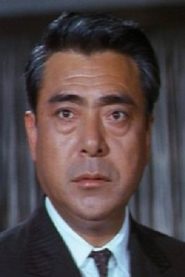
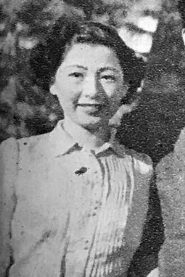
This picture is positioned as an essential watch for cinephiles interested in the evolution of Japanese genre cinema. It provides a stark contrast to the more somber artistic movements of the time, proving that the studio system was just as committed to pure, unadulterated entertainment as it was to high-minded social commentary. By featuring an ensemble cast including Chizuko Nogami and Sachiko Hidari, Watanabe balances the central father figure against a vibrant array of supporting characters, ensuring the energy never flags. Those who enjoy discovering the foundations of the regional comedy traditions found in modern Asian cinema will find this a compelling piece of history. It is a testament to the enduring appeal of the flawed, well-meaning father figure, a character archetype that continues to provide the heartbeat for domestic comedies across the globe today.
Cast(2)
Crew
Screenplay
Director
Executive Producer
Director of Photography
Art Direction
Sound Recordist
Lighting Technician
Original Music Composer
Similar Films