1968. Happy New Year(1993)
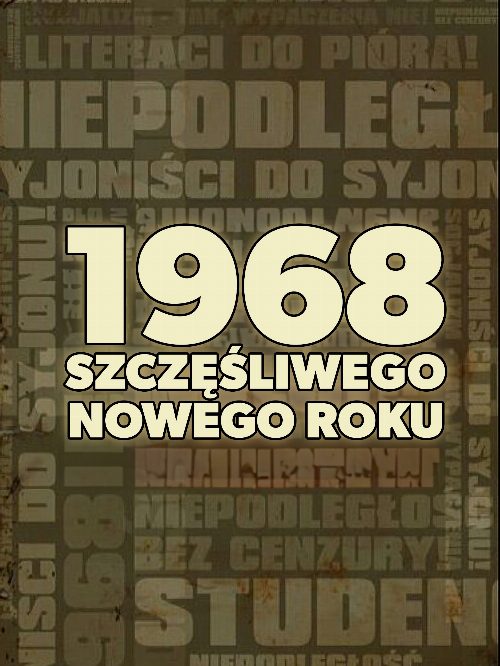
About 1968. Happy New Year
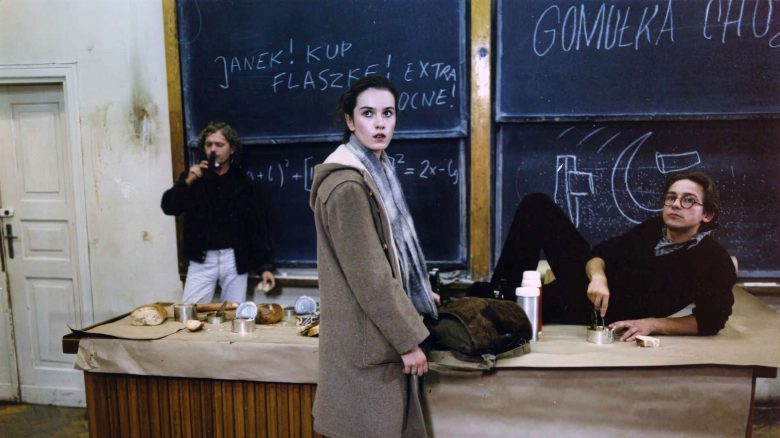
Spring of 1968, Warsaw. The fight for influence between top level Communist officials is the background to a developing love story between a young couple who are engaged in student protests. Both the young couple and their parents will pay a high price for their decisions, and their Jewish roots, which up until now seemed to have no meaning, but which will soon determine their fates.
The Polish cinematic landscape of the early nineties remains a fascinating period of historical reflection, and 1968. Happy New Year stands out as a poignant exploration of a pivotal year that reshaped the nation. Unlike many political dramas that focus solely on the machinery of state power, this film grounds its narrative in the domestic and romantic fallout of the Warsaw student protests. By centering the story on a young couple caught in the crossfire of systemic upheaval, the production captures the abrupt transition from youthful idealism to the harsh realities of ethnic and political purging. It is a film that demands viewers look beyond the headlines of the era to witness how institutional coldness systematically dismantles the personal aspirations of its citizens.
What makes this film particularly compelling for audiences interested in global history is its focus on the often overlooked intersection of internal party friction and the sudden, weaponized relevance of heritage. Throughout the movie, the characters grapple with the realization that their identities have become a liability in a society undergoing a radical shift in ideological enforcement. The narrative structure manages to balance the high stakes of communist bureaucracy with the intimate, heartbreaking struggles of two families whose lives are irrevocably changed by the prevailing climate of intolerance. It is a quintessential piece for those who appreciate cinema that uses historical pressure cookers to test the moral fiber of its protagonists.
The inclusion of stalwarts like Cezary Pazura and Krzysztof Kolberger adds a layer of gravitas that grounds the film in the traditions of Polish prestige drama. Their performances help anchor the emotional weight of the story, particularly as the plot pivots from the optimism of youth to the grim necessity of survival. For contemporary viewers who follow the trajectory of European social dramas, this film serves as a vital case study in how state-sanctioned narratives can suddenly turn against the very people who once considered themselves part of the establishment. It is a sober, deeply evocative work that avoids easy sentimentality in favor of a stark, honest look at the cost of political survival. Anyone drawn to films that examine the fragility of belonging in times of political transition will find this to be an essential and haunting viewing experience that lingers long after the final frames.
Cast(36)