
A Lullaby for the Valley(2020)
About A Lullaby for the Valley
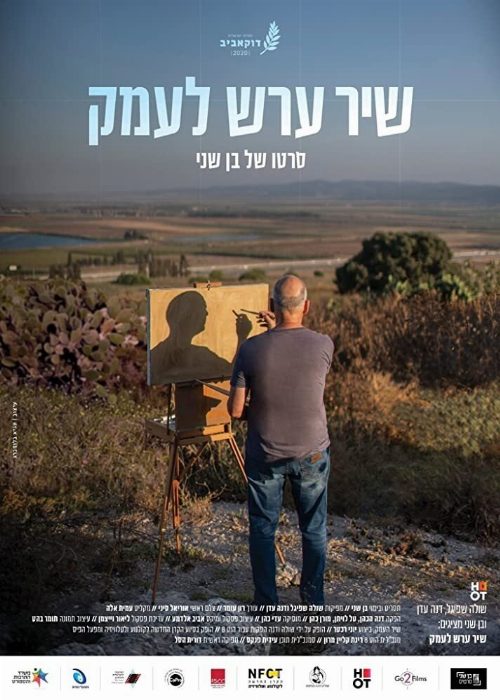
Artist Eli Shamir paints the view from his studio balcony - fields stretching to the horizon, ancient oak trees, and a generation of farmers that is disappearing from the vistas of the Jezreel Valley. His large oils are treasured by collectors worldwide. It was director Ben Shani's encounter with one of Shamir's works that spawned the idea of documenting the artist at work. Neither of them had any idea that everything would change as the filming progressed, as an unforeseen danger threatened to rob Shamir of his talent. Filmed over the course of ten years, A lullaby for the Valley focuses on the fascinating figure of Eli Shamir and his paintings. As time passes, like the endless fields of the valley, they are transformed before our very eyes.
The act of capturing a landscape on canvas is often a meditation on permanence, yet the documentary A Lullaby for the Valley reveals the inherent fragility underlying such artistic devotion. Ben Shani presents a decade-long study of Eli Shamir, an acclaimed painter whose massive canvases serve as a portal into the shifting identity of the Jezreel Valley. While many documentaries about creators focus on the finished product, this film prioritizes the physical and emotional toll of the process. It captures the intersection of rural heritage and personal vulnerability, framing the artist as a man desperately holding onto a disappearing way of life while simultaneously navigating his own mortality. For viewers accustomed to the high-octane pace of contemporary regional Indian cinema, where grand narratives often rely on spectacle, this quiet, observational piece offers a starkly different rhythm. It mirrors the contemplative pacing found in the most introspective works of Malayalam or independent Hindi filmmakers, who frequently prioritize the soul of a location over plot-driven momentum.
What makes this documentary particularly compelling is the unexpected turn in the narrative arc. What began as a tribute to an artist documenting a vanishing agricultural era evolved into a harrowing examination of what happens when a creator faces the potential loss of their primary instrument. This shift elevates the film from a standard biographical portrait into a profound inquiry about identity, legacy, and the resilience of the human spirit. It is an essential watch for those who appreciate character-driven storytelling and the slow-burn intensity of life-altering transitions. The film asks us to consider whether we are defined by the work we produce or by the landscapes we inhabit when everything else begins to fade.
Shani manages to build an intimate rapport with his subject, allowing the audience to witness the painter in his most raw and unguarded moments. This level of access ensures that the viewer feels the weight of every brushstroke and every passing year. The film stands as a testament to the idea that true art is never static, mirroring the very fields that Shamir depicts, which are constantly being reshaped by time, politics, and nature. By focusing on the intersection of the personal and the historical, A Lullaby for the Valley serves as a poignant reminder that even the most grounded lives can be subject to the whims of fate. It is a sophisticated, meditative experience that lingers long after the final frame, inviting us to look closer at the world around us and the people who strive to immortalize it.