
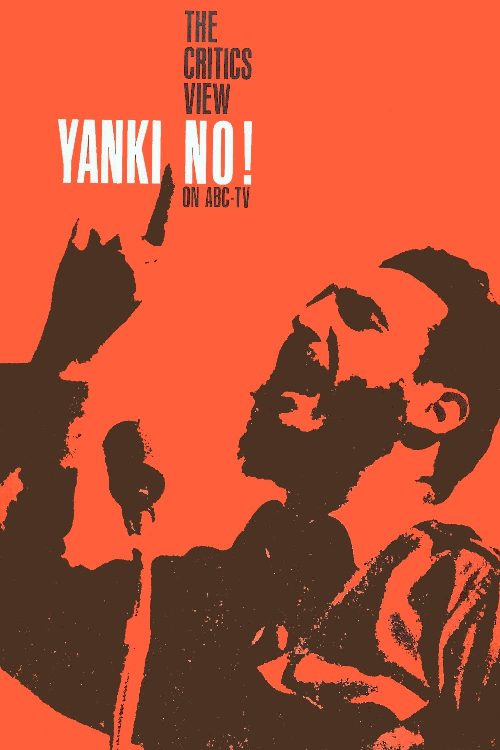
ABC Close-Up: Yanki, No!(1960)
About ABC Close-Up: Yanki, No!
A 1960 cinéma vérité documentary on anti-American sentiment in Latin America, combining observational footage from Caracas and political events, directed by Robert Drew and shot by Maysles, Leacock, and Pennebaker. (Note: Originally broadcast as a standalone documentary on ABC, "Yanki, No!" is widely cited and archived as a discrete direct-cinema film with its own title, production identity, and critical reception, rather than as an anonymous TV news magazine episode.)
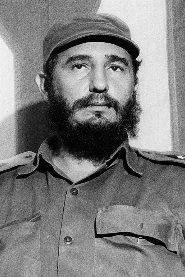
Decades before the modern era of rapid-fire investigative digital content, a landmark production emerged that redefined how global audiences perceived political upheaval through the lens of pure observation. Yanki, No! stands as a foundational pillar of the direct cinema movement, capturing the raw, pulsating energy of shifting alliances in Latin America at the dawn of the 1960s. By eschewing the traditional narrator-led approach of the time, the film allows the streets of Caracas and the fiery rhetoric of Fidel Castro to speak for themselves, creating an unfiltered tension that feels remarkably contemporary even to those accustomed to the fast-paced editing styles of modern Indian documentary filmmaking.
For followers of world cinema history, this piece offers a masterclass in the technical evolution of the camera. The collaboration between Robert Drew and legendary cinematographers like Albert Maysles and D.A. Pennebaker resulted in a visual language that feels incredibly intimate. Instead of a scripted play-by-play, the filmmakers utilized lightweight equipment to immerse themselves in the fervor of anti-imperialist movements, effectively placing the viewer in the middle of a gathering crowd. It is a vital watch for students of film language who want to see how the fly-on-the-wall technique successfully transitioned from a technical experiment into a potent tool for geopolitical storytelling.
While the film is rooted in a specific Cold War context, its relevance to current political discourse remains intact. The documentary serves as a profound study of how public opinion is shaped during times of intense nationalism and social friction. Viewers who appreciate the gritty, grounded realism found in the best of Malayalam or Tamil political dramas will find a kindred spirit in this documentary, as it values authentic human reaction over polished, studio-manufactured narratives. It is not merely a historical artifact but a blueprint for how to frame the struggle between grassroots activism and institutional power. Anyone interested in the intersection of sociology and creative non-fiction will find this an essential addition to their viewing repertoire, providing a stark look at how the global south navigated the complexities of foreign influence during a transformative century.