About Allegro Pastell
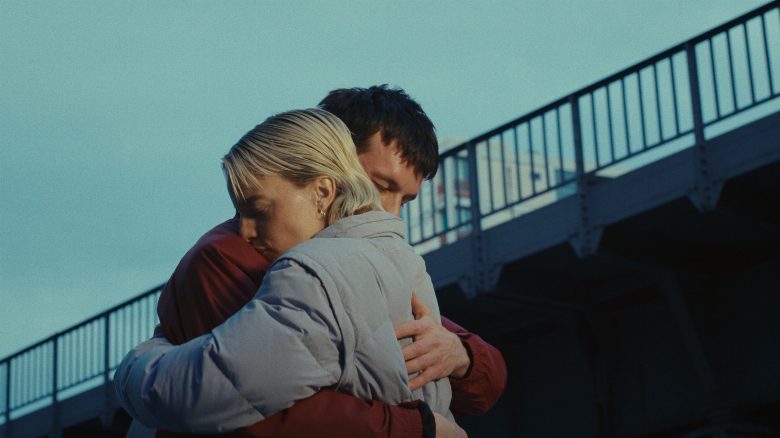
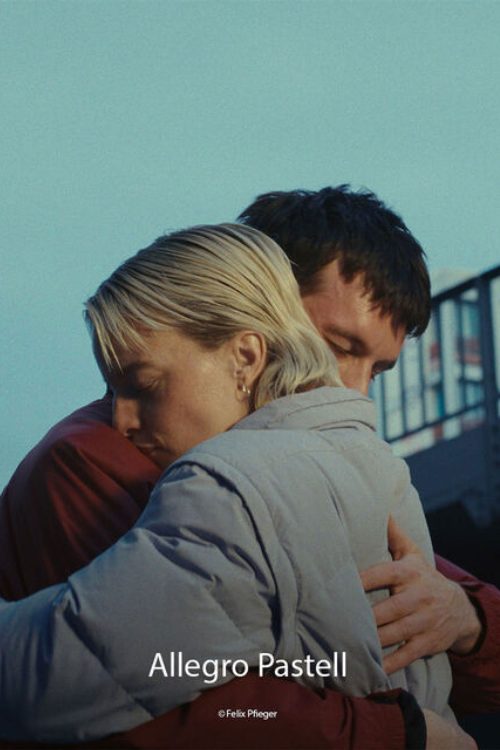
In the summer of 2018, novelist Tanja Arnheim and web designer Jerome Daimler have a seemingly ideal long-distance relationship in the heat of Berlin, the idyll of an inherited bungalow in the Hessian Main Valley and many train journeys in between. But the carefully cultivated balance of trust and detachment between the two hyper-reflective millennials is shaken when Tanja realizes on the night of her thirtieth birthday that the relationship could become existential.
Modern romance often thrives on the friction between physical distance and emotional intimacy, a theme that director Anna Roller explores with sharp precision in Allegro Pastell. Set against the sweltering backdrop of a 2018 Berlin summer, the narrative centers on the fragile dynamic between a novelist and a web designer who have mastered the art of living apart while supposedly being together. Unlike the high-stakes melodramas that often dominate international cinema, this film finds its tension in the quiet spaces of a relationship built on digital communication and intermittent travel. It captures the specific anxiety of a generation that treats vulnerability as a tactical move, constantly measuring the distance between their curated lives and the messy reality of genuine commitment.
For audiences accustomed to the vibrant, high-energy storytelling prevalent in contemporary Indian cinema, where emotions are often writ large and externalized, Allegro Pastell offers a fascinating stylistic departure. While our regional industries—from the grounded realism of Malayalam dramas to the stylistic panache of Telugu blockbusters—often emphasize collective family dynamics or grand heroic arcs, this German production turns the lens inward. It functions as a chamber piece for the digital age, focusing on the internal monologue of its protagonists as they navigate the transition from a casual, long-distance arrangement into something that feels dangerously permanent. The film effectively taps into a global shift toward understated, character-driven storytelling that trusts the audience to inhabit the silences between the dialogue.
Viewers who appreciate the nuanced psychological portraits found in European independent cinema will find much to admire here. The film is positioned as a sophisticated look at the millennial condition, where the fear of losing one's independence often eclipses the desire for companionship. By stripping away the usual tropes of the romance genre, the director invites us to witness the exact moment when a carefully maintained equilibrium begins to fracture. It is a contemplative experience, suited for those who enjoy films that prioritize mood, subtext, and the slow unraveling of personal defenses. As the narrative progresses, the contrast between the bustling urban energy of the capital and the quiet stillness of a countryside retreat mirrors the internal conflict of the lead characters, making for a visually and emotionally evocative journey that lingers long after the credits roll.
Cast(12)