The Cabinet of Dr. Caligari(1920)
About The Cabinet of Dr. Caligari
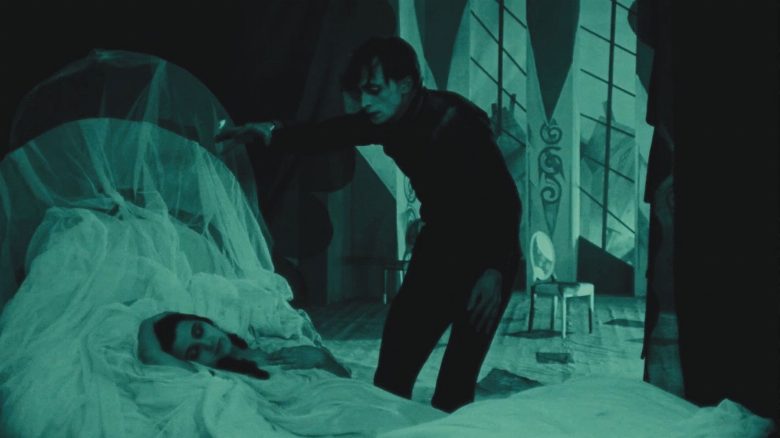
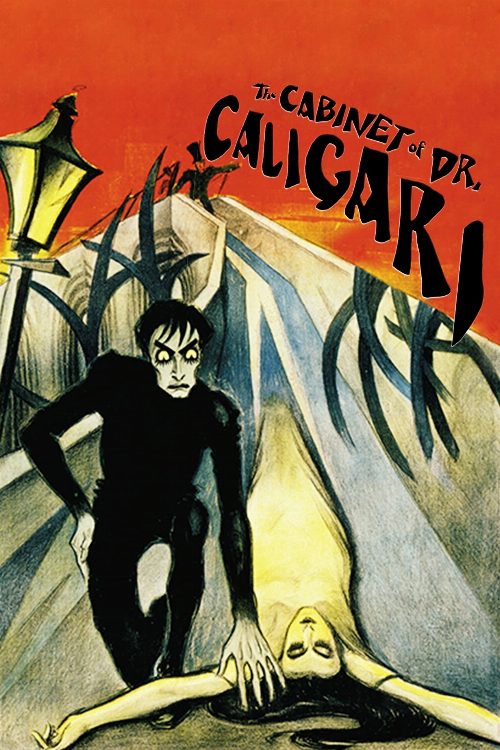
Francis, a young man, recalls in his memory the horrible experiences he and his fiancée Jane recently went through. Francis and his friend Alan visit The Cabinet of Dr. Caligari, an exhibit where the mysterious doctor shows the somnambulist Cesare, and awakens him for some moments from his death-like sleep.
Long before the sleek, high-definition chills of modern psychological thrillers captivated global audiences, German Expressionist cinema laid the groundwork for visual storytelling that prioritizes mood over realism. The Cabinet of Dr. Caligari remains a cornerstone of this movement, utilizing jagged, distorted architectural sets and high-contrast shadows to mirror the fractured mental states of its characters. While contemporary Indian audiences are accustomed to the grand, sweeping narratives of Tollywood or the gritty realism of recent Malayalam hits, this 1920 masterpiece offers a different kind of intensity. It serves as a haunting reminder of how silence and shadow can be far more unsettling than the most elaborate practical effects, positioning it as an essential watch for cinephiles interested in the evolution of suspense.
The narrative centers on a dark traveling sideshow where a sinister hypnotist parades a somnambulist, a figure who appears to bridge the gap between life and death. As the protagonist recounts the unsettling events involving his beloved and the mysterious doctor, the film masterfully blurs the boundary between objective truth and subjective delusion. This focus on the instability of the human psyche is a theme that resonates deeply with modern viewers who appreciate layered storytelling. Much like the complex, character-driven scripts found in today's best independent Indian cinema, the film demands that the audience pay close attention to the visual language of its environment, where every tilted wall and painted light beam serves as a clue to the internal turmoil of the ensemble cast.
Director Robert Wiene crafted an atmosphere that feels intentionally claustrophobic, drawing the viewer into a surreal nightmare that refuses to resolve itself neatly. It is a vital study for anyone curious about the roots of the horror genre, showcasing how early filmmakers manipulated physical space to induce anxiety. For those who enjoy the atmospheric tension found in neo-noir films or the psychological depth of complex thrillers, this work stands as a testament to creative ingenuity. Even a century later, the stark, angular aesthetic remains visually arresting, proving that a film does not need a massive budget or modern technology to leave an indelible mark on the history of global cinema. Watching this classic provides a unique lens through which to appreciate how far the medium has come while acknowledging the foundational techniques that continue to influence directors working in Mumbai, Hyderabad, and beyond.
Cast(11)