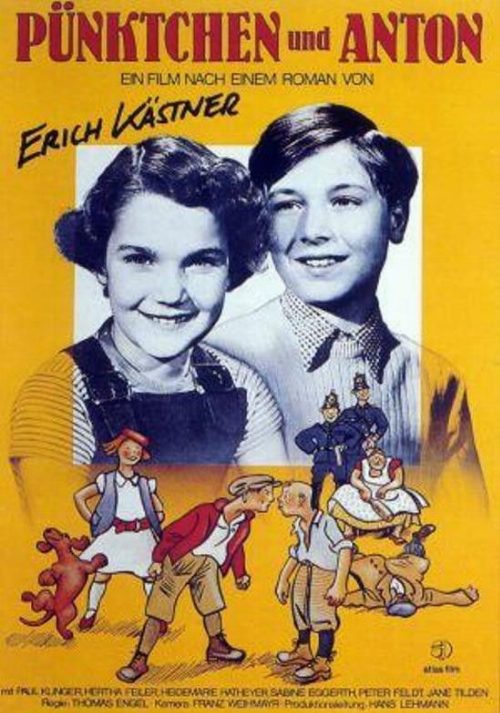
About Annaluise & Anton
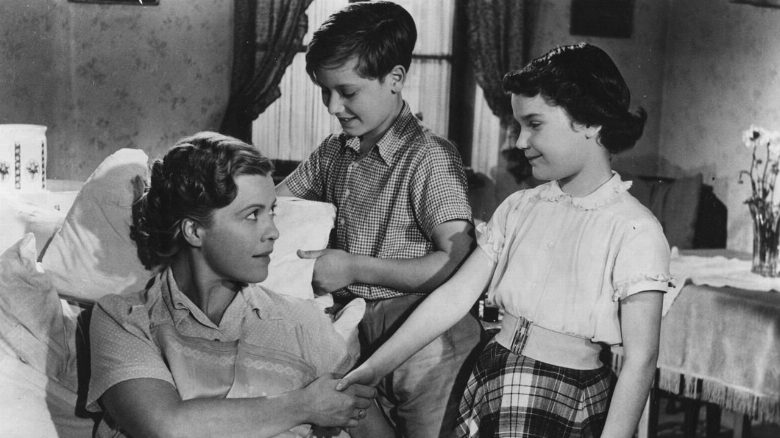
Despite their social differences Luise, called Pünktchen, a girl from rich parentage befriends Anton, a boy who has to earn his own money in order to afford life for his sick mother and himself. Together they undergo different adventures, even preventing a theft in Pünktchens home
Stepping back into the cinematic landscape of the early fifties, the German production Annaluise and Anton serves as a poignant reminder of how European storytelling once mirrored the socioeconomic divides that continue to resonate in contemporary global cinema. While modern audiences in the Telugu or Hindi film industries are accustomed to grand spectacles of class disparity, this 1953 feature offers a more intimate, grounded perspective. It captures a fragile friendship between two children from disparate worlds, illustrating the tension between the sheltered upbringing of a wealthy young girl and the harsh, labor-intensive reality faced by a boy struggling to support his ailing parent. This contrast provides the narrative engine for a story that is as much about moral courage as it is about the innocence of childhood.
For viewers who enjoy the social realism often found in celebrated Malayalam cinema or the heartwarming yet poignant explorations of urban struggle in classic Hindi dramas, this film offers a fascinating historical parallel. It avoids the heavy melodrama that often characterizes later adaptations of similar source material, opting instead for a delicate balance of humor and genuine emotional stakes. The performances by the ensemble cast, including Greta Schroeder and Hertha Feiler, anchor the film in a sincerity that keeps the viewer invested in the children's bond. It is an essential watch for those who appreciate character-driven narratives that examine how children perceive the complexities of adult life, particularly when financial hardship forces them to grow up far too quickly.
The film distinguishes itself by focusing on the agency of its young leads rather than relying entirely on the adults to solve the central conflict. By positioning the friendship of the protagonists as a mechanism for both personal growth and communal safety, the narrative elevates itself above a standard domestic drama. It is a testament to the enduring appeal of stories that highlight how empathy can bridge the widest of cultural and economic gaps. Fans of European cinema who appreciate a blend of lighthearted adventure and serious social commentary will find this a worthwhile exploration of human connection. Its legacy remains relevant precisely because the themes of economic inequality and the power of unlikely alliances are universal, making it a compelling piece of history for any dedicated student of international film culture.
Cast(36)