
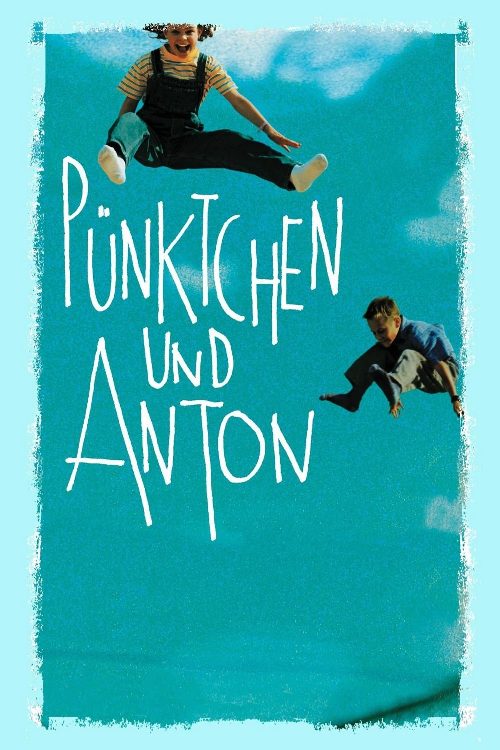
Annaluise & Anton(1999)
About Annaluise & Anton
Luise, called Pünktchen, and Anton are closest of friends. Being the daughter of a wealthy surgeon, young Pünktchen lives in a great house. Her mother, who always travels through the world more for public relation reasons than for the social tasks she pretends to fulfill, is never available to her as a mother. Anton, son of a single and sick mother in financial trouble, does his best to help her out of it by working late. Pünktchen decides to help her only friend (as nobody else would anyway) and starts singing in public places. Trouble arises when Anton can't resist stealing a golden lighter and Pünktchen's secret life is discovered by her parents. Two troubled families finally can see the need for actions to be taken.
Navigating the delicate intersection of childhood innocence and the stark realities of socioeconomic disparity, the 1999 German feature Annaluise and Anton remains a poignant exploration of friendship that transcends class boundaries. While contemporary Indian cinema frequently examines the divide between the affluent and the struggling through high-octane drama or sweeping social epics, this film offers a grounded, intimate perspective. It follows the unlikely bond between a girl from an opulent household and a boy burdened by the weight of supporting his ailing parent. By placing the narrative focus on the children, the story serves as a mirror to the neglectful habits of adults who are often too preoccupied with their own agendas to notice the quiet struggles unfolding in their homes.
The film stands out for its refusal to sugarcoat the anxieties of its young protagonists. In an era where global cinema is increasingly leaning toward spectacle, there is a refreshing honesty in watching two children attempt to navigate adult problems with limited resources and profound empathy. Fans of the emotional sincerity found in classic world cinema or those who appreciate regional Indian dramas that highlight the resilience of young spirits will find much to admire here. The chemistry between the leads captures the essence of a companionship forged in shared loneliness, suggesting that the most authentic support systems are often built outside the traditional family structure.
For viewers interested in the trajectory of European family storytelling, this work provides a compelling look at how local literature is adapted to resonate with broader audiences. The direction manages to balance the whimsy of childhood escapades with the gravity of real-world consequences, creating a rhythmic tension that keeps the audience engaged without resorting to melodrama. It is a quintessential piece for anyone who values character-driven narratives that prioritize human connection over grand plot contrivances. As we continue to see a rise in cross-cultural appreciation for stories that tackle universal themes of poverty and privilege, this film serves as a timeless reminder that the most significant lessons in life are frequently taught by those who have the least to lose. Its enduring appeal lies in the quiet dignity it affords its young characters, ensuring that their efforts to secure a better future for their families feel both urgent and deeply moving to anyone watching today.
Cast(10)