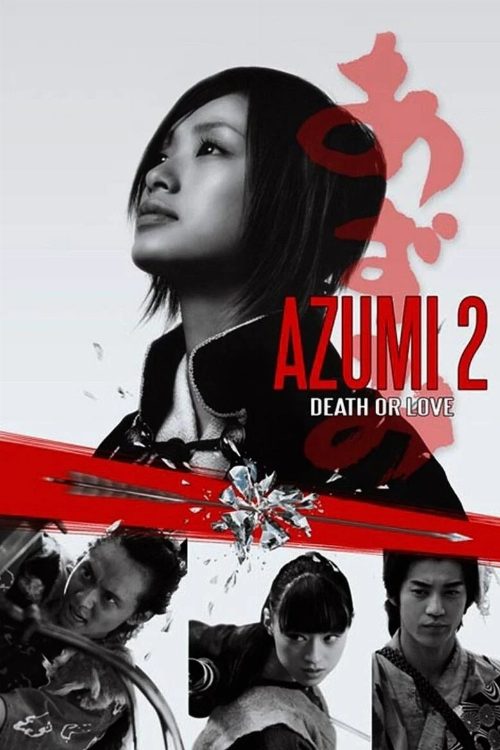
About Azumi 2: Death or Love
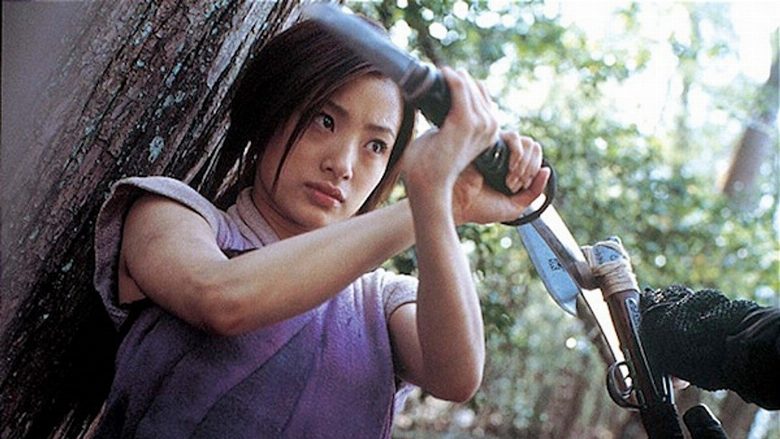
Young assassins Azumi and Nagara continue their mission to prevent a civil war. In their hunt for Masayuki Sanada, who is protected by both an army and a dangerous clan, they meet Ginkaku, a person who shows a remarking resemblance with former friend Nachi.
The cinematic landscape of the early two thousands frequently toyed with the intersection of historical period drama and heightened, manga-inspired choreography, a trend that Azumi 2 Death or Love exemplifies with striking flair. Following the high-stakes narrative established in its predecessor, this sequel shifts the focus toward the psychological toll of a life defined by blade work and bloodshed. Shusuke Kaneko steps into the director chair to steer this second chapter, bringing a distinct visual sensibility that contrasts the stark brutality of the Edo period with the fluid, dance-like grace of the lead characters as they navigate a landscape riddled with political instability and personal betrayal. For those who appreciate the evolution of the action genre in East Asian cinema, this film serves as a bridge between traditional samurai epics and the flashier, stylized combat sequences that would later influence international blockbusters.
The story centers on a mission that forces the protagonist to reconcile her past allegiances with the cold realities of her current trajectory. Central to the emotional stakes is the introduction of a new antagonist whose uncanny physical likeness to a fallen comrade forces a fracture in the resolve of our leads. While the film is firmly rooted in the historical tropes of the shogunate era, it functions essentially as a character study on the fragility of identity when one is trained to be a weapon. Aya Ueto returns to anchor the narrative, grounding the more fantastical elements of the swordplay in a performance that conveys the weariness of a warrior who has known only conflict since childhood. The film navigates the familiar territory of the vengeful assassin trope but infuses it with a sense of melancholic urgency that sets it apart from more straightforward genre exercises.
Viewers who enjoy the kinetic energy of Japanese action films, or those who keep an eye on how these narratives mirror the intensity of contemporary pan-Indian action spectacles, will find much to dissect here. It is an ideal watch for those who prefer their historical dramas served with a side of high-octane spectacle rather than slow-burn dialogue. By balancing the technical demands of period-accurate set design with the rapid-fire pacing expected of a sequel, the production manages to maintain a consistent tension. The film is less concerned with the minutiae of historical accuracy and more interested in the visceral experience of the journey, making it a reliable pick for an evening of stylized, fast-paced entertainment that prioritizes movement and mood over complex political exposition.
Cast(20)











Crew
Screenplay
Co-Producer
Line Producer
Production Design
Sound Effects
CG Artist
Executive Producer
Comic Book
Similar Films