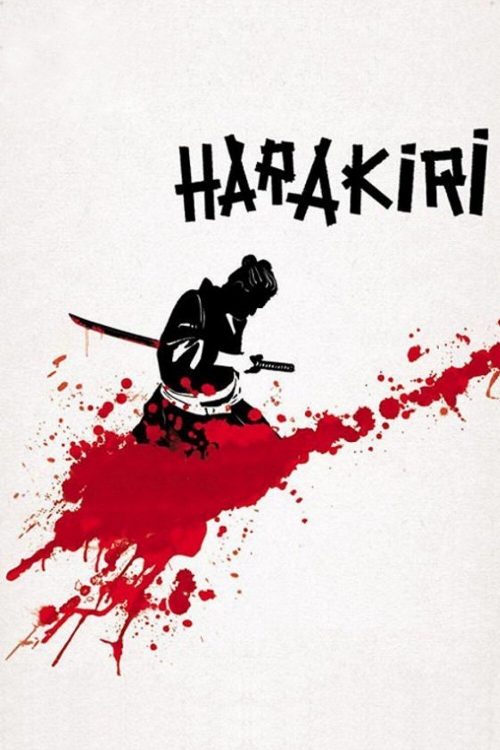
Harakiri(1962)
About Harakiri
Down-on-his-luck veteran Tsugumo Hanshirō enters the courtyard of the prosperous House of Iyi. Unemployed, and with no family, he hopes to find a place to commit seppuku—and a worthy second to deliver the coup de grâce in his suicide ritual. The senior counselor for the Iyi clan questions the ronin’s resolve and integrity, suspecting Hanshirō of seeking charity rather than an honorable end. What follows is a pair of interlocking stories which lay bare the difference between honor and respect, and promises to examine the legendary foundations of the Samurai code.
Masaki Kobayashi crafted a masterpiece of psychological tension with Harakiri, a film that serves as a blistering indictment of the rigid feudal structures defining the Edo period. Rather than focusing on the typical sword-swinging tropes associated with samurai cinema, this 1962 classic centers on the devastating emotional weight of societal expectations. The narrative orbits a masterless warrior who arrives at a powerful clan estate with a singular, grim request, triggering a confrontation that exposes the hypocrisy hidden beneath the veneer of bushido. For those accustomed to the grander, more action-oriented epics of the era, this film offers a claustrophobic and deeply intellectual alternative, shifting the battlefield from open fields to the intricate, silent corridors of a courtyard.
The film functions as a stark contrast to the romanticized depictions of samurai life that dominated Japanese cinema at the time. By dissecting the concept of honor as a tool for political posturing rather than personal integrity, Kobayashi forces the audience to confront the cruelty inherent in a system obsessed with appearances. The masterful pacing, combined with a haunting visual language, elevates the story beyond a historical period piece into a universal exploration of human desperation. Fans of slow-burn narratives and character-driven dramas will find much to admire here, as the tension is built through sharp dialogue and shifting perspectives that slowly unveil the protagonist's true motivations. It is a vital watch for anyone interested in the deconstruction of myths and the way power dynamics can dehumanize those caught in their gears.
In the broader context of global cinema, the influence of this work remains undeniable, particularly for enthusiasts of Indian parallel cinema who appreciate stories that challenge institutional authority. Much like the intense social critiques found in the works of filmmakers who have explored caste or feudal hierarchies in regional Indian industries, this story resonates because it focuses on the struggle of the individual against an immovable establishment. Kei Sato anchors the film with a performance of quiet intensity, ensuring that the emotional stakes feel as sharp as any blade. It remains an essential pillar of world cinema, demanding the viewer's full attention while proving that the most lethal conflicts are often fought not with iron, but with the weight of tradition and the cold machinery of social control.
Cast(11)