About Barry Lyndon
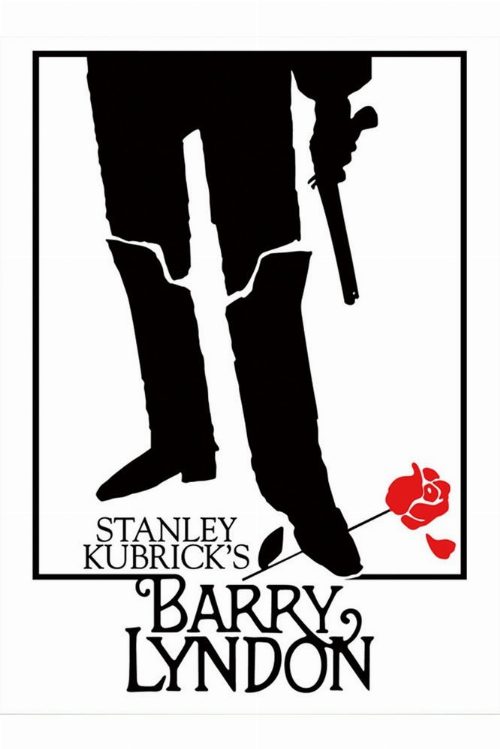
An Irish rogue uses his cunning and wit to work his way up the social classes of 18th century England, transforming himself from the humble Redmond Barry into the noble Barry Lyndon.
Stanley Kubrick remains a monumental figure whose influence stretches deep into the psyche of modern Indian filmmakers, many of whom cite his meticulous visual language as a benchmark for their own stylistic ambitions. Barry Lyndon serves as the ultimate masterclass for those who appreciate the intersection of cold precision and grand historical spectacle. By stripping away the romanticized veneer often associated with period dramas, the film offers a clinical observation of social climbing and the inherent fragility of status. It stands as a stark departure from the fast-paced, high-octane narratives dominating current global trends, instead inviting the audience to inhabit a world of candlelit interiors and deliberate, painterly compositions that mirror the aesthetics of eighteenth-century portraiture.
The narrative follows the calculated ascent of a young Irish adventurer as he navigates the treacherous waters of the British aristocracy. Unlike the typical rags-to-riches tropes found in mainstream regional cinema, this story eschews moral grandstanding in favor of a detached, almost cynical examination of its protagonist. Ryan O Neal delivers a performance defined by an enigmatic stillness, perfectly capturing a man who is simultaneously opportunistic and deeply adrift. For viewers accustomed to the emotional intensity of Telugu or Tamil dramas, this film offers a refreshing, albeit challenging, shift in tone. It is less concerned with the catharsis of heroism and more focused on the inevitable cycles of ambition, hubris, and eventual decline that define the human condition across any era or culture.
Audiences who gravitate toward the layered storytelling of visionary directors like Mani Ratnam or Sanjay Leela Bhansali will find much to admire in the sheer technical audacity presented here. The film functions as an immersive experience, rewarding patience with its slow-burn pacing and historical authenticity. It is an essential watch for those who view cinema as a craft of light and shadow rather than just a vessel for plot. By prioritizing visual storytelling over dialogue, the director invites us to witness the shifting fortunes of his lead character with a keen, analytical eye. Whether you are a dedicated student of international film history or simply someone seeking a profound cinematic experience that defies conventional genre expectations, this work remains a towering achievement that continues to hold immense relevance for contemporary storytellers looking to balance grand scale with intimate, character-driven focus.
Cast(47)