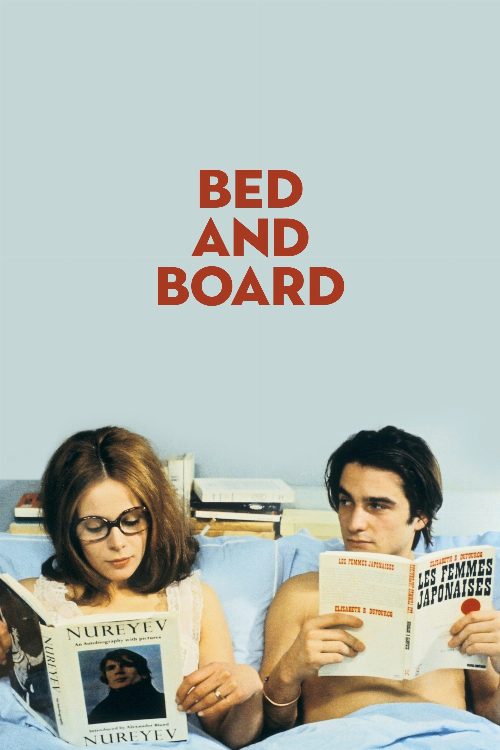
Bed and Board(1970)
“First Truffaut gave us The 400 Blows. Then Stolen Kisses... and now Bed and Board.”
About Bed and Board
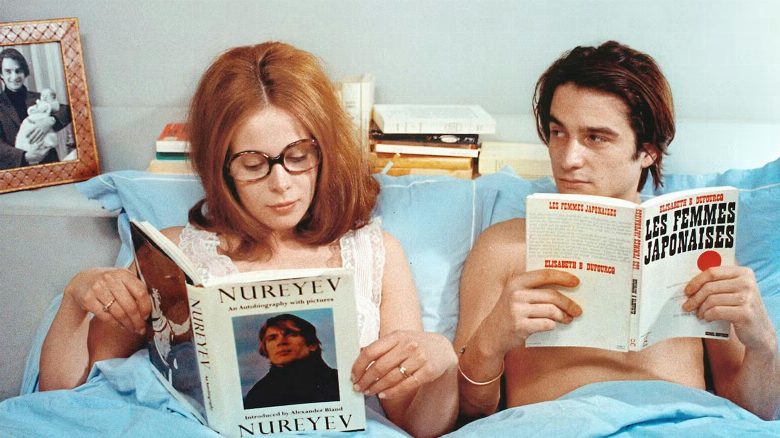
Parisian everyman Antoine Doinel has married his sweetheart Christine Darbon, and the newlyweds have set up a cozy domestic life of selling flowers and giving violin lessons while Antoine fitfully works on his long-gestating novel. As Christine becomes pregnant with the couple's first child, Antoine finds himself enraptured with a young Japanese beauty. The complications change the course of their relationship forever.
Francois Truffaut returned to his most iconic cinematic alter ego for this quintessential exploration of the growing pains inherent in early adulthood. By 1970, the character of Antoine Doinel had already matured from a wayward youth into a man grappling with the mundane realities of the French middle class, marking this installment as a sophisticated departure from the frantic energy of the earlier entries in the series. While many international dramas of the era focused on revolutionary fervor or existential despair, this film chooses to anchor its narrative in the delicate, often humorous friction found within a young marriage. It captures a specific Parisian atmosphere where professional aspirations clash with the sudden, heavy responsibilities of impending parenthood, offering a window into the transition from youthful idealism to the compromises of domesticity.
The story highlights a relatable tension between the comfort of a settled life and the impulsive curiosity that often plagues those who feel they have not yet finished growing up. Claude Jade and Jean-Pierre Leaud share a chemistry that feels lived-in and authentic, reflecting the complexities of a relationship that has evolved past the flush of initial romance. For audiences who appreciate the nuanced character studies often found in contemporary Malayalam or Tamil independent cinema, this film serves as a foundational text in the art of the domestic dramedy. It avoids grand, melodramatic gestures in favor of observational humor and the quiet, persistent shifts in emotional intimacy that define long-term partnership.
Viewers who enjoy character-driven storytelling will find much to admire in how the film balances Antoine’s artistic pretentions with the grounded pragmatism of his partner. Truffaut demonstrates a masterful control of tone, ensuring that the comedic elements never undermine the seriousness of the couple's predicament. This is an essential watch for cinephiles interested in the French New Wave, as well as anyone drawn to narratives about the messy, unpredictable nature of commitment. By focusing on the small, private moments that ultimately dictate the success or failure of a union, the film remains strikingly relevant to modern audiences navigating their own versions of adult life. It stands as a testament to the idea that the most significant dramas are not always found in great conflicts, but in the day-to-day struggle to understand the person sleeping right beside you.
Cast(24)