About Best Friends – The Movie
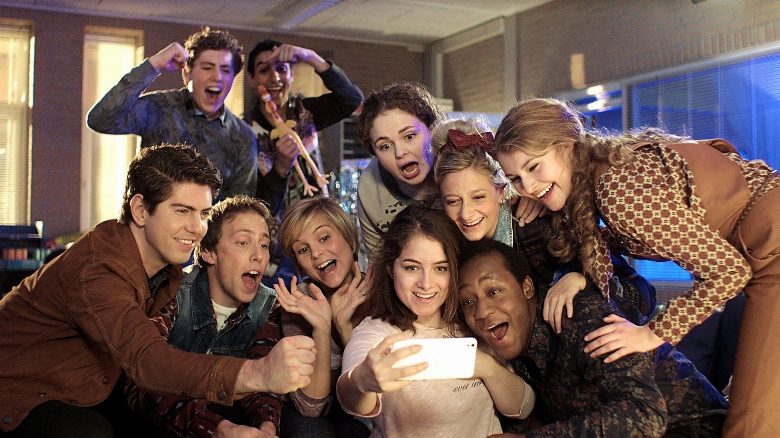
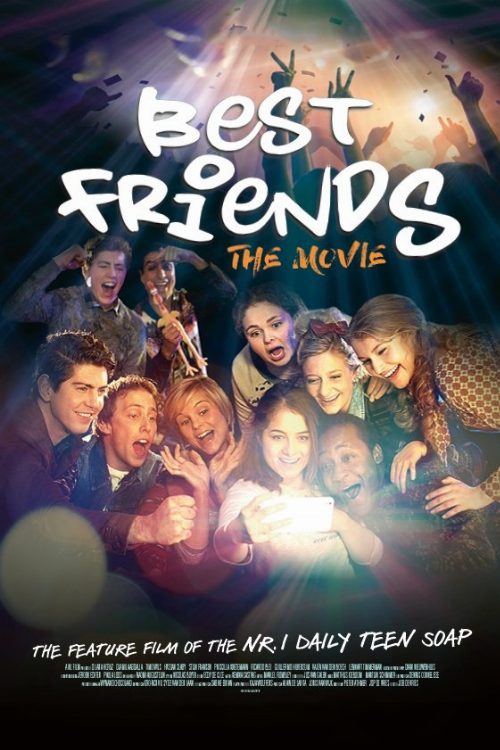
News that the school is supposed to suddenly close causes great agitation among the students. They decide to take direct action by occupying their school... The siege commands hard-action from the friends to protect their school and identities. Will they convince the board to keep the school open?
The sudden threat of an educational institution losing its doors provides the central spark for Best Friends, a Dutch production that captures the frantic energy of adolescence when faced with institutional indifference. Rather than settling into the tropes of a standard teen comedy, the film leans into the urgency of student activism, positioning its young cast at the center of a social rebellion. This narrative choice mirrors a growing trend in global cinema where the youth perspective is increasingly framed as a potent force against bureaucratic stagnation. For audiences familiar with the high-stakes emotional dramas often seen in regional Indian cinema, such as the coming-of-age narratives found in contemporary Telugu or Tamil features, this film offers a recognizable rhythm of camaraderie and collective defiance that transcends linguistic barriers.
At the heart of the story is a tight-knit group of peers whose personal lives and budding identities are inextricably linked to the halls they are fighting to preserve. By choosing to occupy the premises, the characters are forced to transition from typical school day concerns to a high-stakes standoff that tests the strength of their bonds. The ensemble cast, including Dilara Horuz and Timo Wils, manages to balance the lighter comedic beats of teenage life with the gravity of their mission. This dynamic is particularly effective for viewers who enjoy stories centered on group synergy and the idea that friendship is the ultimate shield against a world trying to impose its own rules. The film moves away from the polished aesthetic often associated with mainstream blockbusters, opting instead for an authentic, grounded tone that feels immediate and lived-in.
This project sits comfortably within the genre of youth-led resistance films, a category that remains popular because it taps into a universal desire to challenge authority. While the film is rooted in a specific Dutch cultural context, its thematic core—the preservation of one's community space—is something that resonates across international borders. It is an ideal watch for those who appreciate character-driven narratives where the stakes are deeply personal rather than global, and where the chemistry between the leads drives the momentum. By focusing on the vulnerability and resolve of its protagonists, the movie serves as a reminder that solidarity is often the most significant tool young people have when they feel their voices are being silenced by those in power. It remains a spirited look at how a shared goal can transform a simple friendship into a formidable movement.
Cast(12)