Binetsu shonen(1987)
About Binetsu shonen
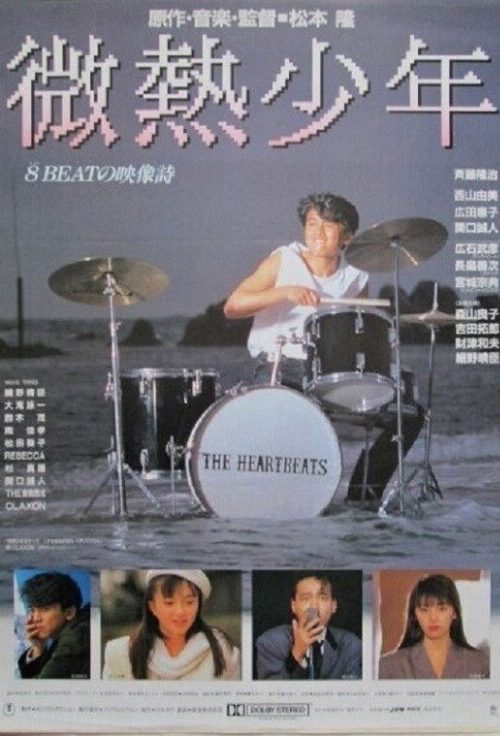
The late eighties in Japanese cinema captured a distinct aesthetic shift, where the boundaries between pop culture, melancholic romance, and youthful rebellion began to blur in ways that feel remarkably prescient today. Binetsu shonen stands as a curious artifact from this era, tapping into the specific brand of wistful nostalgia that defined the decade. Rather than relying on the grand melodrama often associated with eighties romance, the film navigates the internal landscapes of its characters, using music as a narrative tether rather than mere background noise. It functions as a time capsule for viewers interested in the intersection of urban Tokyo youth culture and the artistic sensibilities that would go on to shape modern Japanese independent filmmaking.
What elevates this project beyond a standard teen drama is its commitment to atmosphere over conventional plotting. The presence of figures like Haruomi Hosono suggests a deliberate focus on the auditory experience, positioning the film as a sensory journey that favors mood and texture. While international audiences may be more familiar with the high-octane thrillers or sweeping historical epics that often dominate global perspectives on Japanese media, this film offers a quieter, more intimate look at the emotional volatility of adolescence. It is less concerned with the mechanics of a traditional love story and more invested in the fleeting sensations of attraction and the transient nature of youthful ambition.
Those who enjoy a slow-burn narrative or have an appreciation for the vintage visuals of the Japanese eighties will find much to admire here. It is an ideal recommendation for fans of character-driven cinema who value authentic performances over spectacle. The film avoids the trap of heavy-handed moralizing, instead letting its characters drift through their environments with a sense of aimless beauty that feels incredibly human. By prioritizing the internal rhythm of its protagonists, the production maintains a timeless quality that transcends its original release window. For those digging into the archives of world cinema, it serves as a fascinating study of how music and memory were woven together to define the shifting identity of a generation caught between tradition and the neon-soaked future of the bubble era.
Crew
Screenplay
Story
Producer
Gaffer
Sound
Director of Photography
Editor
Similar Films