About Bluebeard
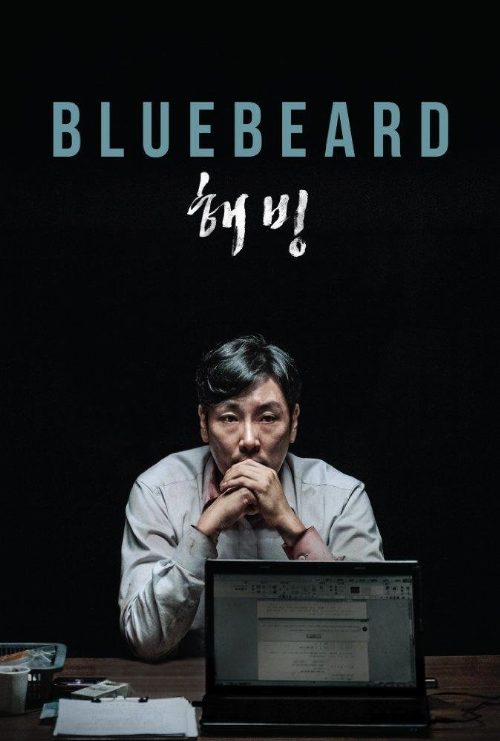
A doctor finds himself in the middle of an unsolved serial murder case after discovering a secret from a sedated patient. When dismembered bodies show up close to home, he must solve the riddle before the killer realizes what he knows.
South Korean cinema has long mastered the art of the psychological thriller, and Bluebeard serves as a chilling testament to why global audiences remain fixated on the industrys darker offerings. Directed by Lee Soo-youn, the film departs from the high-octane action sequences often associated with international thrillers, choosing instead to anchor itself in the suffocating paranoia of a man trapped by his own curiosity. The narrative follows a medical professional who becomes ensnared in a web of historical violence after a routine consultation takes a harrowing turn. By leaning into atmospheric dread rather than mere jump scares, the movie positions itself as a cerebral exploration of guilt and the unreliable nature of memory, echoing the thematic density found in the best of modern Malayalam neo-noir or the gritty suspense films emerging from the Hindi indie circuit.
The strength of this project lies in its ability to distort reality, forcing the protagonist to confront the possibility that his immediate environment is hiding something truly grotesque. As dismembered remains begin to surface in his quiet suburban vicinity, the tension shifts from a localized mystery to a frantic race against an unseen antagonist. For fans of Indian regional cinema who appreciate films like Drishyam or the complex narratives often championed in Tamil thriller scripts, this story offers a similar sense of escalating stakes. It is designed for viewers who enjoy peeling back layers of deception, where every interaction with a patient or a neighbor feels heavy with hidden intent. The performance of the lead cast ensures that the emotional stakes remain high, grounded in a palpable sense of vulnerability that makes the surrounding chaos feel increasingly personal.
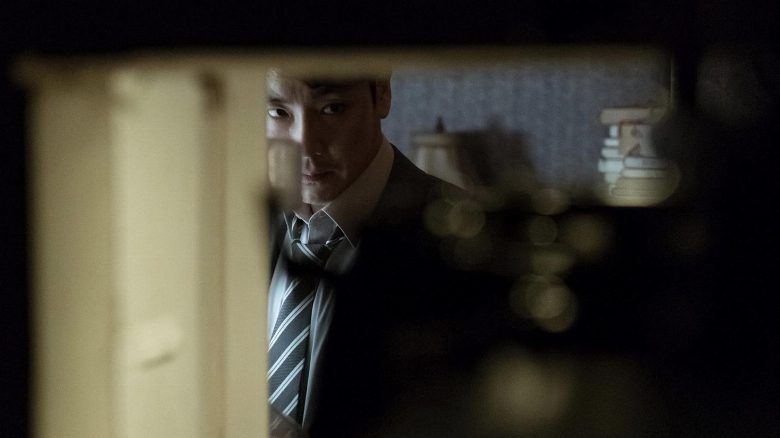
Lee Soo-youn demonstrates a meticulous eye for framing, utilizing the claustrophobic interiors of the medical office and the stark, cold streets to reflect the internal fracturing of the main character. This is not merely a tale about catching a culprit; it is a deep dive into the psyche of a man who realizes that the truth might be more dangerous than the lie he has been living. By balancing the clinical precision of a medical drama with the visceral terror of a classic whodunit, the film carves out a niche that feels both refreshing and deeply unsettling. Whether you are a regular consumer of global suspense or simply looking for a masterclass in tension building, this piece of Korean storytelling provides a haunting experience that lingers well after the final frame, proving once again that the most terrifying secrets are often buried right beneath our feet.
Cast(12)