
About Blutsbrüder
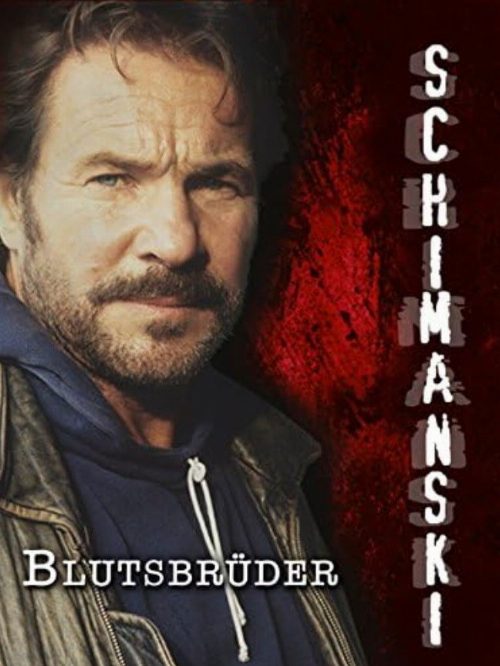
The shady businessman Klaus Mandel (Christopher Waltz) spends time in Belgium prison for allegedly having set fire to a building in an insurance scam, that cost the live of an accountant. In order to get time off, Mandel offers to testify against his former partner and best friend Krieger (Matthias Redlhammer). Retired Cop Schimanski (Götz George), now living on a houseboat in Belgium, is asked to transport Mandel across the border to Germany and hand him over to the authorities there. Schimanski agrees reluctantly, but the pair – snobbish Mandel and proletarian Schimanski, who once attempted to book Mandel – make uneven travel-companions. The journey is interrupted when a pair of Romanian hit men tries to kill Mandel. Now tied together by handcuffs, Schimanski and Mandel have to find their way to safety via car, train or on foot.
When the worlds of a polished white collar criminal and a rugged, salt of the earth detective collide, the result is a masterclass in contrasting archetypes that defines the core of nineties European crime thrillers. Blutsbrüder serves as a quintessential example of the buddy cop formula reimagined through a gritty, continental lens, anchored by the magnetic presence of Gotz George. Portraying the iconic character Schimanski, George embodies a weary, anti establishment spirit that resonates with fans of hard boiled detective fiction globally. Opposite him, Christoph Waltz delivers an early demonstration of the sophisticated, simmering intensity that would later propel him to international stardom, creating a dynamic of mutual disdain that fuels the narrative tension throughout this cross border ordeal.
For cinephiles who appreciate the evolution of the thriller genre, this film offers a fascinating look at the mid nineties German landscape, where the focus shifted toward character driven friction rather than purely explosive spectacle. While modern Indian cinema often explores the duality of heroes and villains through high octane masala tropes, Blutsbrüder adopts a more restrained, psychological approach. The premise of an enforced partnership between a jailed businessman seeking immunity and the man who once tried to put him away is a classic setup, yet it feels grounded by the stark, realistic atmosphere of the Belgian and German settings. The transition from a simple prisoner transfer to a desperate scramble for survival provides a propulsive rhythm that keeps the audience guessing, even as the protagonists navigate their complicated, hostile relationship.
Viewers who enjoy the interplay of mismatched personalities, much like the dynamic found in classic road movies or intense procedural dramas, will find this film particularly compelling. It is an ideal watch for those who admire character actors at the top of their craft, as the film relies heavily on the sparks generated between its leads rather than relying on convoluted plot twists. Director Hajo Gies captures a specific sense of place that grounds the high stakes drama, making the physical journey feel as treacherous as the moral dilemmas the characters face. By focusing on the vulnerability of two men tethered together against their will, the film transcends its procedural roots, offering a tense, cynical, and deeply engaging study of survival that stands as a notable entry in the career of one of Germany’s most enduring screen legends.