About Breeder
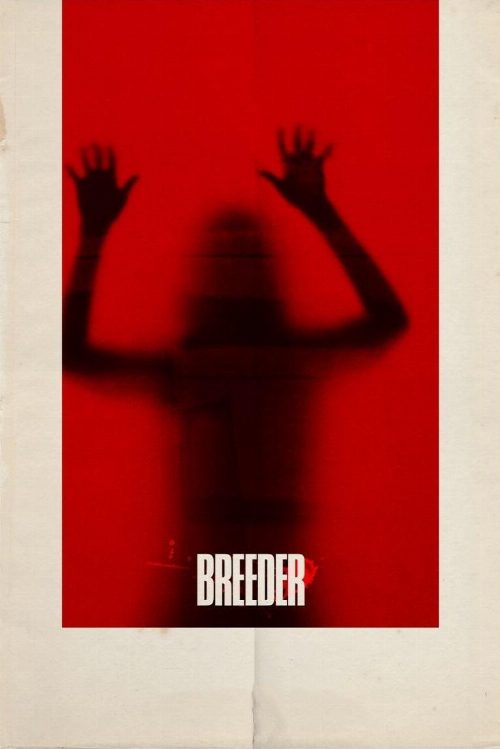
A renowned health supplement company, run by a ruthless businesswoman, is selecting and abducting young women as part of an experiment bio-hacking babies’ DNA to enable her clients to reverse the aging process. When Mia goes to investigate, she finds herself trapped, branded and tortured in a grim underground facility. Familiar faces start to appear, and she realises that she is not alone in this. Can she somehow find inner strength and escape from the nightmare?
The Danish horror landscape has long been defined by its ability to blend stark, clinical realism with visceral terror, a tradition that Breeder carries forward with chilling precision. While global audiences often associate the Nordic thriller genre with sprawling police procedurals or moody atmospheric dramas, this feature shifts the lens toward the grotesque possibilities of modern bio-hacking. By centering its narrative on the commodification of human biology, the film taps into a pervasive contemporary anxiety regarding the lengths to which the wealthy will go to achieve eternal youth. It functions as a grim cautionary tale that resonates deeply within a world currently obsessed with wellness culture, supplements, and the scientific pursuit of halting the natural passage of time.
At the heart of the story is an investigation that spirals into a claustrophobic survival mission, forcing the protagonist to confront a clandestine operation hidden beneath the veneer of corporate success. The film distinguishes itself by avoiding standard supernatural tropes, choosing instead to ground its horror in the cold, calculated cruelty of human greed. For viewers who appreciate the tension found in films like Don’t Breathe or the thematic weight of body horror classics, this production offers a similarly relentless experience. It creates a suffocating atmosphere where the lines between technological progress and human rights are violently erased, challenging the audience to consider the human cost of vanity.
The performances, particularly those anchoring the central struggle, provide the necessary emotional gravity to keep the audience invested as the plot descends into darkness. Director Jens Dahl leans into the stark, sterile aesthetic of the underground facility, turning the setting into an active antagonist that feels as trapping as the captors themselves. The film is perfectly suited for fans of international genre cinema who prefer their thrills with a side of social commentary. It stands as a testament to the versatility of the Danish film industry, proving that regional voices can craft universal narratives that feel both deeply unsettling and disturbingly plausible. By focusing on the intersection of corporate power and biological autonomy, the movie leaves a haunting impression that lingers long after the final frame, serving as a bleak reminder of what happens when ethics are completely abandoned in favor of profit.
Cast(13)