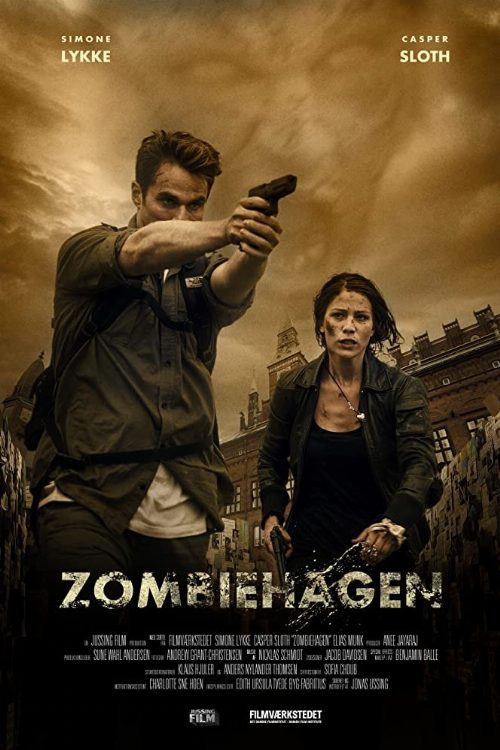
Zombiehagen(2014)
About Zombiehagen
The rotten are walking the streets of Denmark
Denmark has rarely been a primary destination for the visceral spectacle of the undead, yet the 2014 release Zombiehagen attempts to carve out a unique space within the Nordic cinematic landscape. By blending the frantic intensity of a war thriller with the grisly tropes of traditional horror, the film moves away from the polished, minimalist aesthetic often associated with Scandinavian storytelling. It positions the streets of Copenhagen as a claustrophobic battleground where the boundary between political collapse and supernatural infection blurs. Rather than relying solely on jump scares, the narrative leans into a grittier tone that feels more aligned with the visceral survivalism found in modern action cinema, making it an interesting curiosity for those who enjoy seeing international industries experiment with high-concept genre staples.
The project features a cast led by Finn Nyborg Nielsen and Luca Fattore, who navigate a landscape that feels increasingly hostile and unrecognizable. This film stands out because it treats the zombie outbreak not just as a monster movie setup, but as a catalyst for complete societal breakdown. For viewers who follow the evolution of global genre filmmaking, it is fascinating to see how a smaller market like the Danish industry handles the demands of a large-scale survival scenario. While the film lacks the massive budgetary backing of Hollywood blockbusters, it compensates with an urgent, kinetic style that keeps the stakes feeling personal rather than purely global. The pacing is relentless, favoring a constant sense of dread over quiet exposition, which distinguishes it from the more cerebral horror exports often associated with the region.
Those who appreciate the crossover appeal of intense action films will likely find the most value here. It is a quintessential pick for audiences who enjoy the gritty, grounded approach to infection narratives where human conflict remains just as dangerous as the external threat. If you are a fan of films that prioritize atmosphere and practical intensity over glossy production design, this title serves as a gritty testament to the versatility of European genre directors. It is a bold attempt to inject a chaotic, high-stakes energy into a local landscape, proving that the hunger for survival-horror is a truly global phenomenon that transcends regional boundaries. Whether you are a dedicated enthusiast of the genre or simply a curious viewer looking for a departure from mainstream patterns, this piece offers a distinct, aggressive perspective on the collapse of a modern city.