
About Brigitte Bardot: The Icon of France
The life and career of screen siren, Brigitte Bardot.
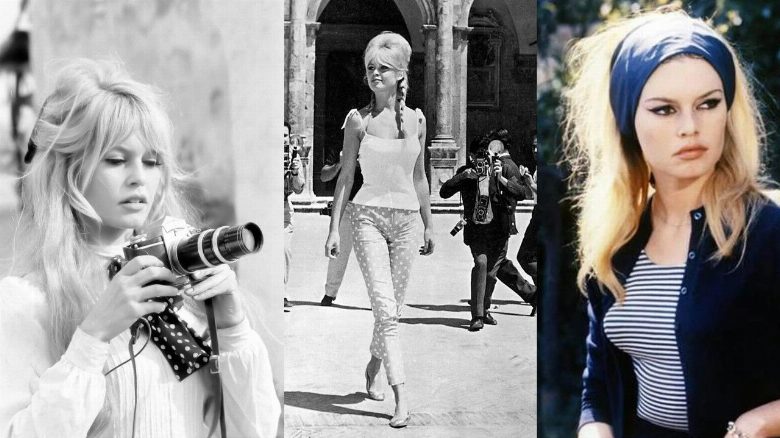
Tracing the meteoric rise and lasting cultural imprint of a global sex symbol, Lyndy Saville presents a comprehensive look at the woman who redefined European cinema in the mid-twentieth century. While many modern biographical documentaries rely on stylized reenactments or heavy-handed narration, this film chooses a more intimate route, assembling voices that truly understood the gravity of the phenomenon known as Bardot. By gathering insights from contemporaries like Anita Ekberg and industry insiders, the documentary constructs a portrait that feels less like a dusty museum piece and more like a visceral exploration of fame in its most raw, unfiltered form. It is a vital watch for those interested in how the French New Wave intersected with the commodification of beauty, offering a perspective that feels particularly resonant in today’s era of hyper-curated celebrity images.
For audiences accustomed to the high-energy storytelling prevalent in contemporary Indian cinema, this documentary offers a refreshing change of pace, focusing on the psychological toll of being the world’s most recognizable face. While the vibrant industries of Tollywood or Bollywood often emphasize the larger-than-life nature of their superstars, this film peels back the curtain to reveal the isolation that often accompanies such status. It serves as a stark reminder that the challenges of navigating public scrutiny are universal, bridging the gap between the glamorous boulevards of Paris and the bustling film sets of today. The pacing is deliberate, allowing the archival footage to speak for itself, which is a testament to Saville’s restrained directorial hand.
Viewers who appreciate deep dives into film history or biographies of cultural icons will find this project exceptionally rewarding. It does not shy away from the complexities of its subject, nor does it attempt to simplify the contradictions inherent in a woman who captured the collective imagination of a continent. Instead, it invites the audience to observe the evolution of a legend who eventually turned her back on the spotlight to pursue animal rights activism. This transition adds a layer of intellectual depth that elevates the film beyond a simple vanity project, making it a thoughtful examination of autonomy and agency. Whether one is a dedicated cinephile or simply curious about the architecture of fame, this documentary provides a compelling look at a transformative figure whose influence continues to ripple through international fashion and film to this day.