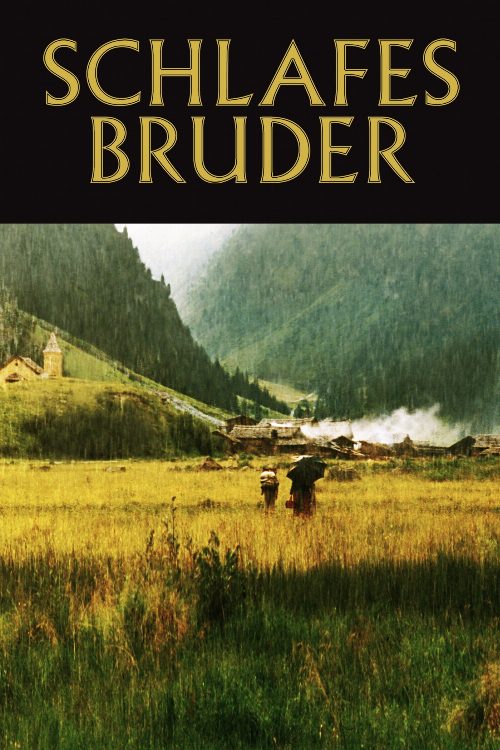
About Brother of Sleep
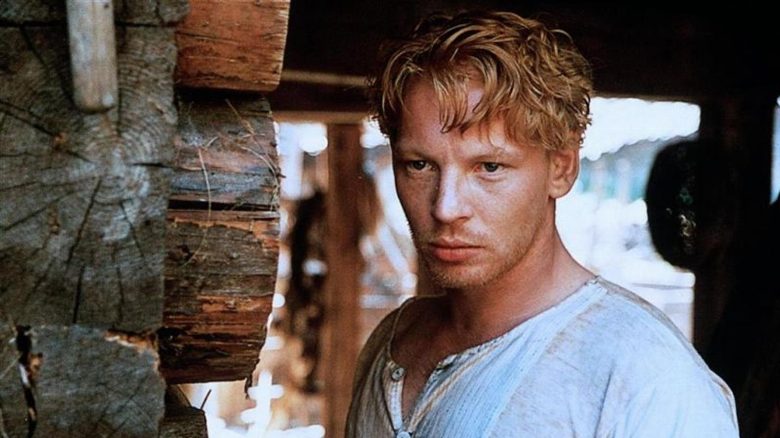
In the beginning of the 19th century, Johannes Elias Alder is born in a small village in the Austrian mountains. While growing up he is considered strange by the other villagers and discovers his love of music, especially rebuilding and playing the organ at the village church. After experiencing an "acoustic wonder", his eye color changes and he can hear even the most subtle sounds.
Deep within the rugged landscape of the nineteenth century Austrian Alps, Joseph Vilsmaier crafts a haunting portrait of auditory obsession that feels strikingly distinct from the typical period drama. Brother of Sleep centers on Johannes Elias Alder, a protagonist whose sensory perception transcends the boundaries of his isolated alpine community, transforming the act of listening into both a divine gift and a crushing existential burden. While many international films of the mid-nineties leaned into historical realism, this production embraces a dreamlike, almost mythic quality, grounding the narrative in the visceral relationship between a man and the church organ he treats as his primary vessel for expression. For those of us accustomed to the rhythmic energy of contemporary Indian cinema, where sound design and background scores often act as a secondary protagonist, this film offers a fascinating look at how European filmmakers utilize silence and acoustic precision to define a character’s internal landscape.
The film serves as an essential watch for enthusiasts of atmospheric storytelling who appreciate narratives that prioritize mood and psychological depth over traditional pacing. It captures the stifling nature of rigid social hierarchies in small villages, drawing parallels to the insular settings frequently explored in regional Indian dramas where tradition often clashes with individual genius. Radek Holub delivers a performance that relies heavily on internal stillness, perfectly mirroring the isolation of a man whose heightened senses render him an outcast in a world that prefers conformity. It is a dense, moody experience that demands the viewer pay close attention to the soundscape, rewarding those who seek out cinema that challenges the traditional sensory experience of watching a movie.
Vilsmaier, known for his keen eye for visual scale, ensures the harsh beauty of the mountains functions as more than just a backdrop; the environment itself seems to press down on the protagonist, fueling his descent into his own sonic world. The film stands out for its uncompromising commitment to its premise, refusing to soften the edges of its tragic, lyrical core. Whether you are a fan of world cinema or a student of how different cultures interpret the intersection of art and madness, this piece remains a singular achievement in German filmmaking. It bridges the gap between folklore and character study, inviting the audience to inhabit a space where the line between transcendent talent and mental disintegration is dangerously thin.
Cast(16)