
About Calle Malaga
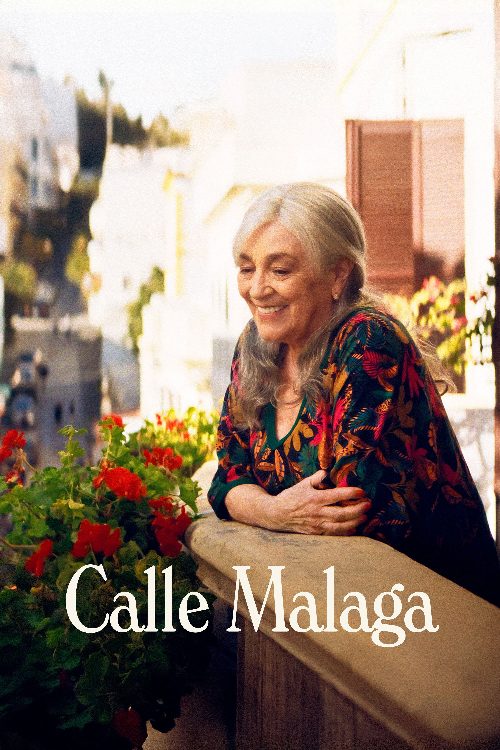
Maria Angeles, a 79-year-old Spanish woman, lives alone in Tangier, Morocco, and enjoys her daily routine. However, her life is turned upside down when her daughter arrives from Madrid to sell the apartment in which she has always lived. Determined to stay, she does everything she can to get her home and her belongings back and, unexpectedly, rediscovers love and sensuality.
The quiet rhythm of a life built over decades in the sun-drenched streets of Tangier faces an abrupt disruption in the poignant drama Calle Malaga. While the global film landscape often fixates on the frenetic energy of youth, this film shifts the lens toward the resilience of a seventy-nine-year-old protagonist whose domestic sanctuary becomes the focal point of a familial power struggle. The narrative avoids the typical tropes of displacement by grounding the conflict in the physical history of a home, transforming a simple real estate transaction into a profound exploration of autonomy and the unexpected blooming of desire in one's twilight years. By situating a Spanish woman within the vibrant, multicultural tapestry of Morocco, the director crafts a setting that feels as much like a character as the individuals occupying it.
For audiences who appreciate the nuanced, character-driven storytelling often found in the best of world cinema, this film offers a refreshing departure from high-octane spectacles. Much like the intimate family dramas that have recently gained traction in international festivals, Calle Malaga prioritizes atmosphere and interiority over plot twists. It invites viewers into a sensory experience where the echoes of a lifetime spent abroad clash with the clinical detachment of a daughter arriving from Madrid with a contract in hand. The presence of Imad Moudni and Ahmed Tenssamani adds a vital layer of regional authenticity, grounding the story in the specific textures of its location while ensuring the emotional stakes feel earned rather than manufactured.
This project is positioned as a thoughtful meditation on the aging process and the courage required to reclaim one's narrative when it seems destined to be archived. It is a perfect watch for those who enjoy slow-burn dramas that challenge perceptions of what a fulfilling life looks like at any age. While many films in the current global market lean into genre conventions, this particular entry stands out for its commitment to a tender, humanistic perspective. Whether it is the visual language of the Tangier backdrop or the subtle performances of the cast, the work captures a distinct vulnerability. It is a compelling reminder that the capacity for connection and personal discovery remains sharp long after society expects a person to retreat into the shadows of their own history.
Cast(41)