About Camera Obscura
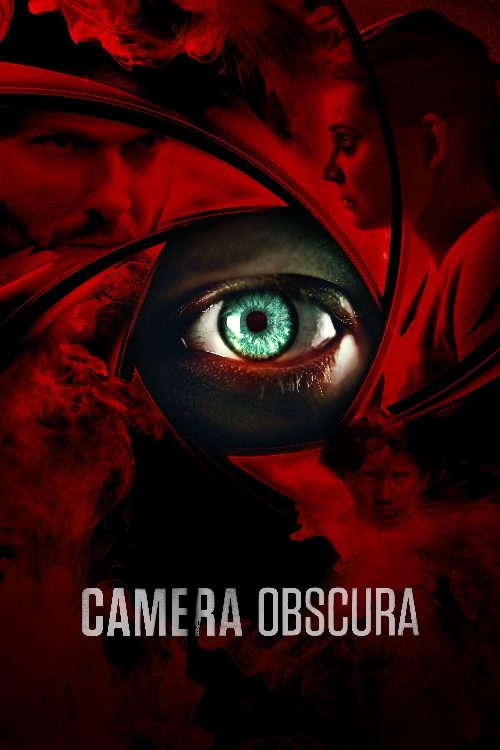
A photojournalist suffering from PTSD returns home from Iraq and finds himself struggling to keep his sanity and family intact.
The psychological toll of conflict often lingers long after a soldier leaves the battlefield, creating a haunting internal landscape that Camera Obscura explores through the lens of a traumatized lensman. While much of modern horror relies on supernatural entities or jump scares, this film shifts the focus toward the fracturing psyche of a veteran who discovers that his artistic equipment might be documenting more than just reality. By grounding the narrative in the visceral experience of post-traumatic stress, the director crafts a claustrophobic atmosphere where the lines between objective truth and a broken mind become dangerously thin. It serves as a stark reminder that some of the most terrifying ghosts are those we carry home in our own memories.
In the broader scope of contemporary thriller cinema, this project stands out for its refusal to rely on grand spectacle, opting instead for a deliberate, tension-filled character study. While audiences accustomed to the high-octane action found in major Indian film industries like Tollywood or Bollywood might find the pacing unconventional, viewers who appreciate the slow-burn intensity of psychological dramas will find much to admire here. The film operates within the tradition of indie horror that prioritizes mood and character evolution over cheap thrills, making it a compelling watch for those who prefer their stories to challenge their perception of reality. It is a calculated exercise in dread that keeps the audience questioning whether the protagonist is truly seeing a malevolent force or if his perspective is merely a symptom of his unresolved past.
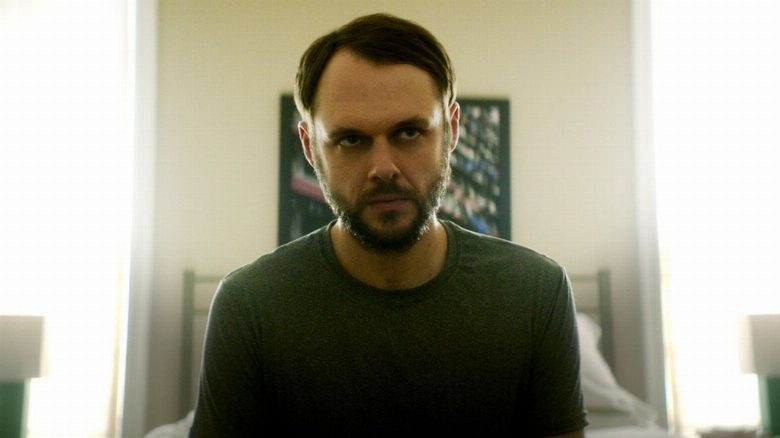
Christopher Denham brings a raw, fragile energy to the lead role, anchoring the story as his character attempts to navigate a fragile domestic life while his grip on his surroundings begins to slip. The supporting cast helps build a world that feels increasingly hostile, effectively mirroring the protagonist internal decay. This is not a film designed for casual viewers looking for escapism, but rather for those who enjoy dissecting the psychological underpinnings of horror. By focusing on the intersection of trauma and perception, Camera Obscura carves out a unique space for itself as a sobering look at how the past can manipulate the present. It proves that the most effective way to unsettle a viewer is to strip away the certainty of what they see on screen, forcing them to remain as trapped and confused as the man holding the camera.
Cast(24)