
About Carnival Night
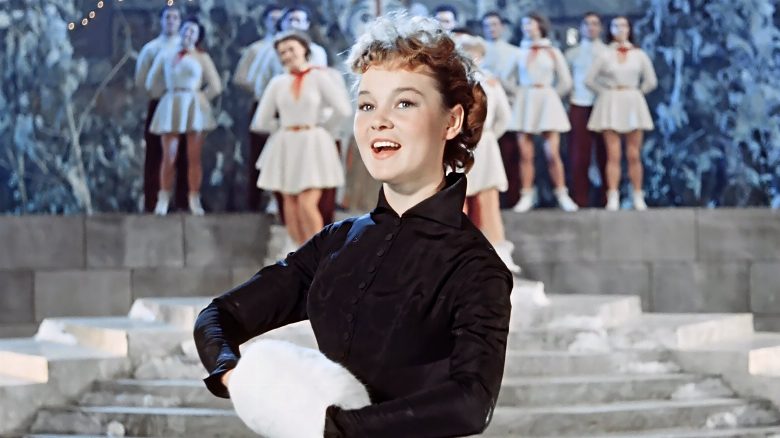
It is the New Year's Eve and the employees of an Economics Institute are ready with their annual New Year's entertainment program. It includes a lot of dancing and singing, jazz band performance and even magic tricks. Suddenly, an announcement is made that a new director has been elected and that he is arriving shortly. Comrade Ogurtsov arrives in time to review and disapprove of the scheduled entertainment. To him, holiday fun has a different meaning. He imagines speakers reading annual reports to show the Institute's progress over the year, and, perhaps, a bit of serious music, something from the Classics, played by the Veterans' Orchestra. Obviously, no one wants to change the program a few hours before the show, much less to replace it with something so boring! Now everyone has to team up in order to prevent Ogurtsov from getting to the stage. As some of them trap Ogurtsov one way or another, others perform their scheduled pieces and celebrate New Year's Eve.
Stepping away from the high-octane spectacles currently dominating global cinema, Carnival Night remains a masterclass in the kind of observational humor that transcends its Soviet origins. Directed by Eldar Ryazanov, this 1956 production captures a quintessential clash between youthful spontaneity and stifling bureaucracy, a theme that resonates deeply with audiences accustomed to the social dynamics often explored in contemporary Indian cinema. Much like the regional films from the Telugu or Malayalam industries that utilize ensemble casts to critique institutional rigidity, this film uses the backdrop of a festive gala to highlight the absurdity of a leader who mistakes solemnity for substance. It functions as a delightful satire where the joy of performance becomes an act of quiet rebellion against an administrator who would rather see a dry lecture than a jazz band.
The narrative tension hinges on the impending arrival of Comrade Ogurtsov, a man whose vision for a New Year celebration is entirely devoid of actual merriment. While the employees have spent weeks choreographing dance numbers and honing musical acts, the new director insists that the evening be defined by statistical reports and aging orchestras. For viewers who enjoy character-driven comedies, the film offers a treasure trove of physical gags and witty dialogue as the staff frantically maneuvers to keep their joyless superior away from the stage. It is an exploration of the human spirit’s refusal to be dampened by gray-suited authority, a sentiment that feels remarkably fresh even decades after its original release.
This film is essential viewing for those interested in the history of musical comedies and the evolution of the satire genre. Its legacy is particularly fascinating when viewed through the lens of modern global cinema, where the struggle for creative expression against corporate or political censorship remains a recurring motif. Ryazanov displays an early mastery of timing and tone, ensuring that the humor never descends into mean-spiritedness but instead celebrates the resilience of the artistic community. Whether you are a fan of classic international cinema or simply someone who appreciates a well-executed farce, Carnival Night provides a timeless reminder that the best way to deal with a killjoy is to simply keep the music playing. It stands as a testament to the idea that no matter the cultural context, the drive to celebrate and connect through art will always win out over the rigid demands of those who have forgotten how to smile.
Cast(64)





Crew
Editor
Production Design
Choreographer
Conductor
Sound Director
Script Editor
Executive Producer
Screenplay
Similar Films