About The Cuckoo
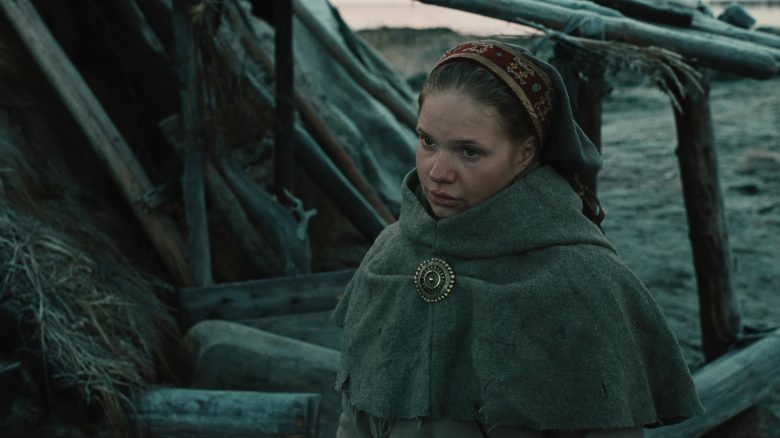
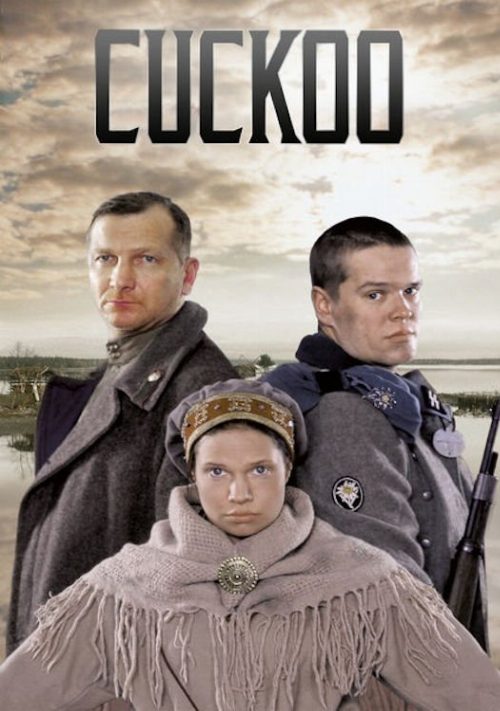
September of 1944, a few days before Finland went out of the Second World War. A chained to a rock Finnish sniper-kamikadze Veikko managed to set himself free. Ivan, a captain of the Soviet Army, arrested by the Front Secret Police 'Smersh', has a narrow escape. They are soldiers of the two enemy armies. A Lapp woman Anni gives a shelter to both of them at her farm. For Anni they are not enemies, but just men.
The Cuckoo remains a singular achievement in European cinema, transcending the typical grim expectations of war dramas by weaving a delicate tapestry of human connection amidst the backdrop of 1944. Director Aleksandr Rogozhkin masterfully pivots away from the heavy boots of battlefield carnage to focus on the absurdities of language and the primal urge for survival. By placing a Finnish sniper and a Soviet officer under the roof of a Lapp woman, the film navigates the friction of opposing ideologies with a light, almost fable-like touch. Unlike many international productions that rely on explosive set pieces, this narrative thrives on the quiet, often humorous friction generated when three people who cannot understand one another are forced to share a solitary existence.
For viewers who appreciate the nuanced storytelling often found in the best of contemporary Indian regional cinema—where the landscape frequently serves as a silent protagonist—this film offers a resonant experience. It captures that same intersection of cultural isolation and deep-seated humanity seen in acclaimed works from the Malayalam or Kannada industries. The linguistic barrier is not merely an obstacle here but a narrative engine, pushing the characters toward a raw sincerity that words would only complicate. Viktor Bychkov and Anni-Kristiina Juuso deliver performances that anchor the surreal premise in tactile reality, ensuring that the audience feels the biting cold of the tundra as much as the warmth of the makeshift home they construct.
This is a perfect recommendation for those who prefer character-driven narratives that eschew easy answers in favor of profound thematic exploration. It is a story about the fragility of borders and the way common needs—shelter, food, and companionship—can dissolve the arbitrary labels imposed by warring nations. Because it avoids the traps of jingoistic propaganda, the film feels timeless, appealing to cinephiles who seek out stories of unlikely reconciliation. Rogozhkin succeeds in crafting a piece that is as much a comedy of errors as it is a poignant meditation on peace. It serves as a reminder that even when the world outside is tearing itself apart, the fundamental bonds between individuals can remain miraculously intact. Whether you are a fan of historical dramas or simply someone who appreciates a beautifully told story about the resilience of the human spirit, this Russian classic remains essential viewing that bridges the gap between disparate worlds with grace and wit.
Cast(20)