Chateaubriand(2010)
About Chateaubriand
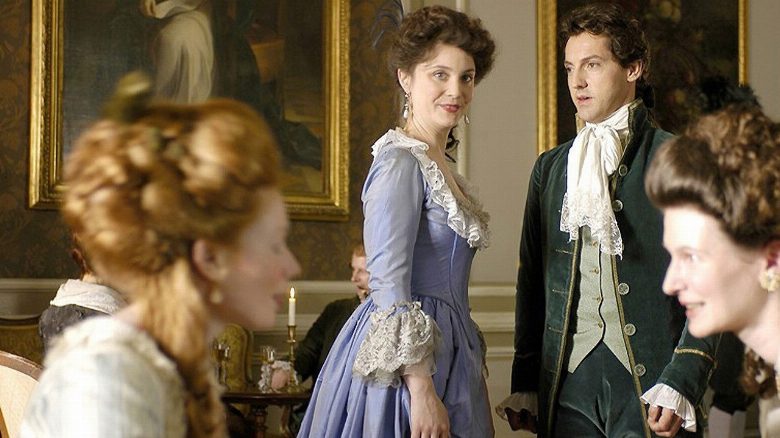
Stepping away from the high-octane spectacle currently dominating the global cinematic landscape, Chateaubriand offers a refined, introspective look at the complexities of historical biography that feels strikingly distinct from the sweeping sagas often found in contemporary Indian mainstream cinema. While audiences in Hyderabad, Chennai, or Mumbai are frequently treated to grand, larger-than-life portrayals of historical figures designed for maximum emotional impact, this 2010 French production chooses a quieter, more intimate path. It examines the internal life of a transformative intellectual figure, focusing on the friction between public duty and private desires in a way that resonates with those who appreciate the nuanced character studies found in the best of Malayalam or independent Hindi dramas. The film functions as a masterclass in period detail, avoiding the temptation to turn its subject into a mere caricature of greatness.
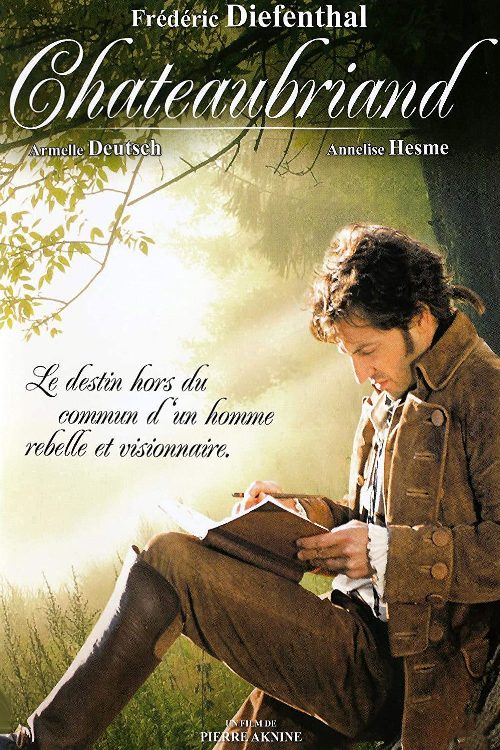
The strength of this production lies in its measured approach to the life of a man whose legacy is defined as much by his romantic entanglements as by his political contributions. For viewers who enjoy the sophisticated layering of personal conflict found in period pieces, the performances from the ensemble cast provide a grounded anchor. Frédéric Diefenthal delivers a portrayal that manages to capture the intellectual restlessness of his character, steering clear of the melodrama that often plagues historical biopics. By prioritizing psychological realism over mere chronological documentation, the film carves out a niche for itself as a thoughtful meditation on the costs of ambition. It is a work that demands patience, rewarding the viewer with a textured exploration of how individuals navigate the shifting tides of history and society.
This film is essentially a portrait for the discerning cinephile who values atmosphere and dialogue over rapid-fire editing or spectacle. It stands as a reminder that the genre of biography can be a powerful tool for exploring universal human conditions, regardless of the specific cultural or linguistic setting. While it lacks the vibrant musical scores or stylized action sequences that define much of the current output in the Telugu or Tamil industries, its narrative discipline serves as a compelling contrast to those high-energy formats. Fans of period dramas will find it to be a sophisticated addition to their watchlist, offering a glimpse into a chapter of history that is often overshadowed by the more sensationalized accounts of the era. It remains a notable example of how European television cinema can elevate the standard of long-form biographical storytelling through careful direction and authentic performances.