
Chimney Town: Frozen in Time(2026)
About Chimney Town: Frozen in Time
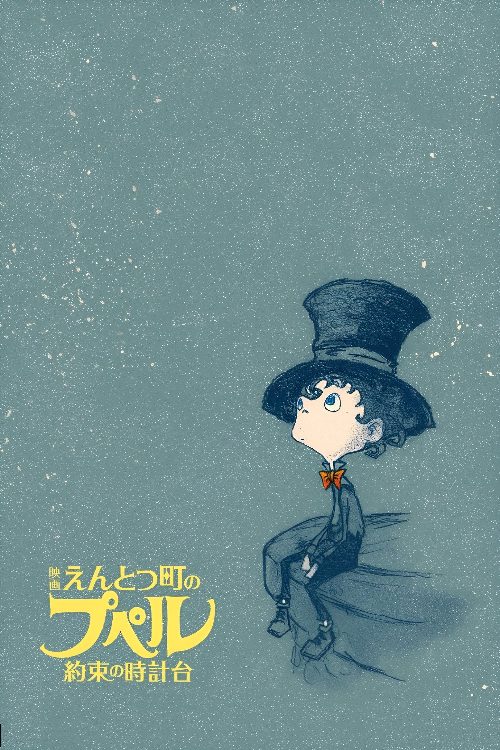
After losing his friend Poupelle, young Lubicchi wanders into a mysterious realm where a clock in a tower is frozen at 11:59. To return home, he must restart it – and find the courage to believe again.
Stepping into the hauntingly industrial landscape of Chimney Town: Frozen in Time, audiences are invited to rediscover the whimsical yet melancholic aesthetic that Yusuke Hirota masterfully established in his previous works. This 2026 feature expands upon a universe defined by thick, choking smog and the desperate resilience of those living beneath it, shifting the focus toward a poignant quest for restoration. At its heart, the film follows Lubicchi, a boy grappling with the profound absence of his companion, as he stumbles into a surreal, stagnant dimension where the march of seconds has ceased. This departure into a clockwork purgatory serves as a visually striking metaphor for grief and the psychological paralysis that often accompanies the loss of a loved one. By centering the narrative on the urgent need to restart a frozen tower clock, Hirota crafts a journey that feels both intimate in its emotional stakes and expansive in its imaginative scope.
While the film originates from the Japanese animation industry, its thematic resonance mirrors the current trend in global cinema where fantasy is used as a vehicle to explore complex human experiences. Much like the ambitious visual storytelling found in contemporary Indian fantasy dramas, Chimney Town: Frozen in Time eschews simple morality plays in favor of a nuanced look at the courage required to confront one's own limitations. Mana Ashida and Masataka Kubota lend their voices to characters who must reconcile their past attachments with the necessity of moving forward, a universal struggle that transcends cultural boundaries. The film is positioned as a sophisticated piece of animation that will likely captivate both younger viewers drawn to its adventurous spirit and adults who appreciate its underlying meditations on time and memory.
For enthusiasts of high-concept animation, this film stands out as a testament to the power of artistic world-building. Hirota avoids the trap of repetitive storytelling by grounding his fantastical elements in the tangible ache of longing. By juxtaposing the grimy, smoke-filled reality of the main setting against the sterile, halted motion of the mysterious realm, the director creates a sensory experience that demands full attention. This is not merely a story about fixing a machine; it is a reflection on the internal mechanisms of faith and the quiet bravery required to restart one's own life after a period of prolonged darkness. Those who gravitate toward emotionally resonant adventures that refuse to provide easy answers will find this an essential addition to their watchlist, marking another significant milestone in Hirota's evolving filmography.