About My Neighbor Totoro
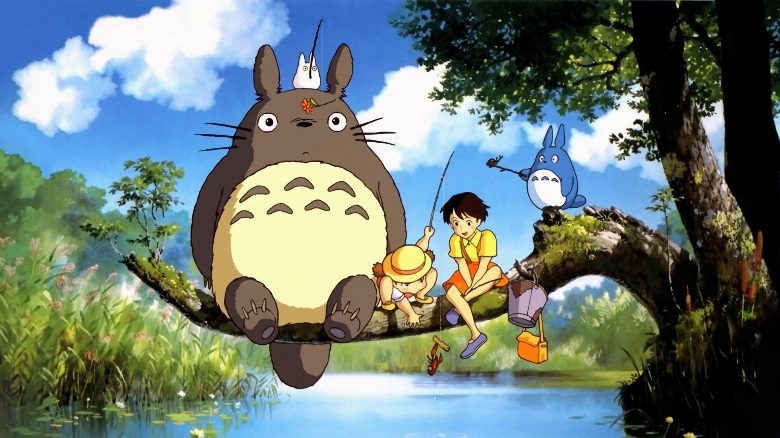
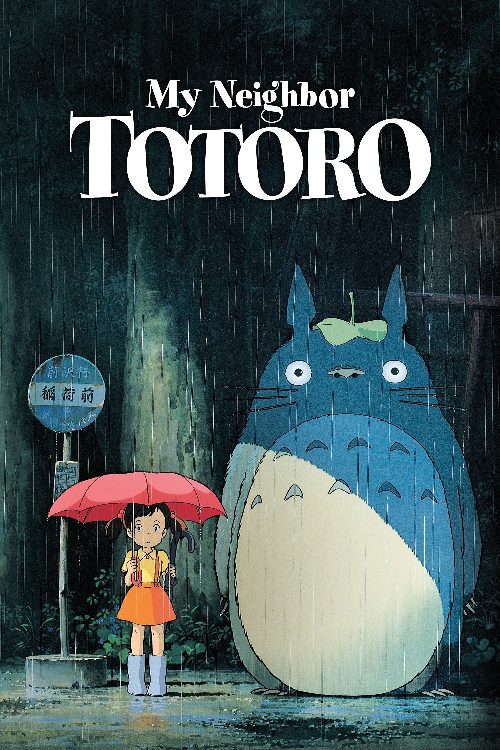
Two sisters move to the country with their father in order to be closer to their hospitalized mother, and discover the surrounding trees are inhabited by Totoros, magical spirits of the forest. When the youngest runs away from home, the older sister seeks help from the spirits to find her.
Few works in the history of global animation capture the fragile threshold between childhood wonder and the quiet anxieties of growing up quite like this masterpiece from Hayao Miyazaki. Set against the lush, verdant backdrop of rural Japan during the mid-twentieth century, the narrative centers on two young siblings adjusting to a new life in a traditional farmhouse. Their father brings them to this secluded region to remain near a medical facility where their mother is convalescing. Rather than leaning into the high-stakes conflict common in mainstream cinema, the film finds its strength in the mundane beauty of countryside living and the sudden, breathtaking encounters with the unseen inhabitants of the ancient camphor trees. It serves as a gentle meditation on family resilience, viewed entirely through the perceptive, imaginative lens of children who process their mother absence by befriending the forest spirits.
This film remains a cornerstone of the Ghibli aesthetic, emphasizing a slow, deliberate pace that feels markedly different from the frantic energy often found in contemporary commercial animation. For audiences accustomed to the vibrant, high-octane storytelling found in current Indian cinema, such as the sweeping emotional arcs of Telugu dramas or the grounded realism of Malayalam character studies, this Japanese classic offers a refreshing shift in perspective. It does not demand constant narrative propulsion; instead, it invites viewers to breathe alongside the characters as they navigate their temporary isolation. The magic here is not used for spectacle or combat, but as a soothing balm for domestic heartache, proving that folklore can be a profound tool for emotional healing.
Viewers who cherish films that champion the innocence of youth and the power of nature will find this an essential watch. It is particularly resonant for families looking for stories that respect the intelligence of young audiences while offering enough thematic depth to engage adults. Miyazaki demonstrates an uncanny ability to translate the texture of the natural world into hand-drawn animation, creating an atmosphere that feels tactile and alive. By stripping away villainy and external threats, the director forces the audience to confront the reality of waiting and hoping, turning a simple story about two sisters into an enduring cinematic monument. Whether you are a dedicated follower of international animation or someone seeking a contemplative experience that celebrates the sanctity of childhood imagination, this remains a peerless achievement that feels just as vital today as it did upon its initial release.
Cast(20)