
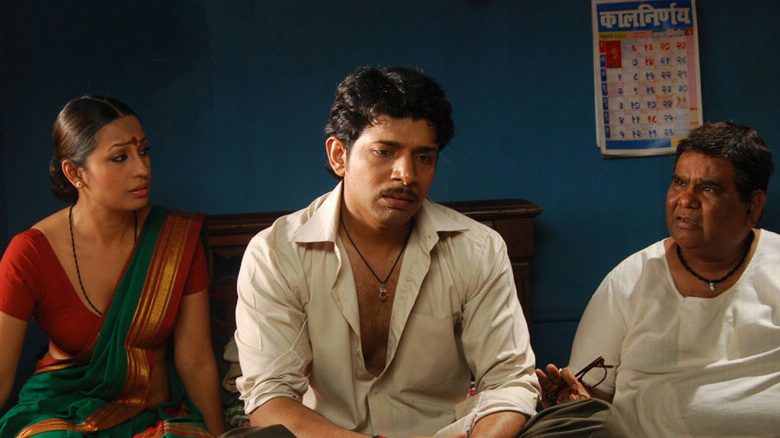

City of Gold(2010)
About City of Gold
Today, there is hardly anyone who hasn't visited the swanky shopping malls, nightclubs, lounge bars, clubs and other such lifestyle destinations that sprung up across the centre of Mumbai. However, very few know that buried deep below these glittering edifices to consumerism lies the dark, dirty and painful reality of many thousands of mill workers who once worked the cotton mills in this very same area. Rising and toiling to the wail of the mill sirens each and every day, seven days a week, these workers embodied the true unbridled zeal and unflagging spirit of the city and played a pivotal role in the evolution of Mumbai as the modern day business capital of India. And then it suddenly was as if they never existed. Following the mill workers strike in the mid-80s, these mills began closing down rapidly and the mill-workers mysteriously disappeared...
Modern Mumbai often presents itself as a vertical landscape of glass towers and luxury retail hubs, yet City of Gold demands we look at the cracked pavement beneath these structures to find the ghosts of a vanished industrial era. Mahesh Manjrekar delivers a gritty, uncompromising examination of the textile heartland that once defined the citys identity before the cranes and concrete took over. By focusing on the systemic displacement of the working class, the film acts as a sobering historical document rather than a typical urban drama. It captures the transition from a city built on the sweat of mill hands to one driven by speculative real estate, stripping away the glamour to reveal the human cost of rapid economic gentrification.
The narrative functions as an essential companion to other iconic depictions of the metropolis, standing alongside works that analyze the intersection of crime, labor rights, and survival. Within the landscape of Hindi cinema, this project is particularly notable for its refusal to romanticize the struggle. It provides a platform for a powerhouse ensemble cast, including Seema Biswas and Vineet Kumar Singh, to portray characters whose lives are defined by the rhythmic wail of factory sirens and the eventual silence that followed the collapse of the unionized workforce. The acting is grounded and raw, steering clear of melodrama to emphasize the stark reality of families who were pushed to the margins during the seismic shifts of the late twentieth century.
This film is a mandatory watch for those who appreciate social realism and political narratives that challenge the official history of urban development. It is tailor-made for viewers who find interest in the socio-economic evolution of India and the way corporate interests can reshape the cultural topography of a city overnight. Manjrekar, who has long demonstrated a keen eye for the complexities of his hometown, avoids easy answers here. Instead, he invites the audience to confront the uncomfortable truth about who pays the price for progress. By highlighting the vulnerability of the labor force during the mid-eighties turmoil, City of Gold ensures that the legacy of those who were once the engine of the economy is not entirely erased by the glitz of the modern skyline. It is a haunting, necessary piece of cinema that reminds us that beneath every gleaming mall floor, there is a foundation built on the toil of a forgotten generation.
Cast(16)