Conflagration(1975)
About Conflagration
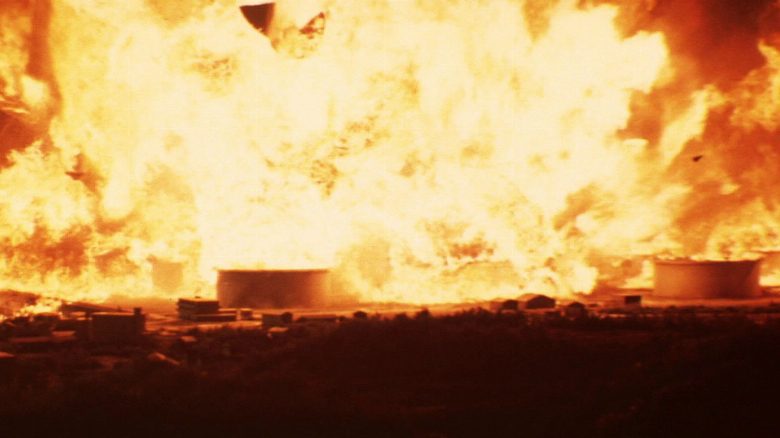
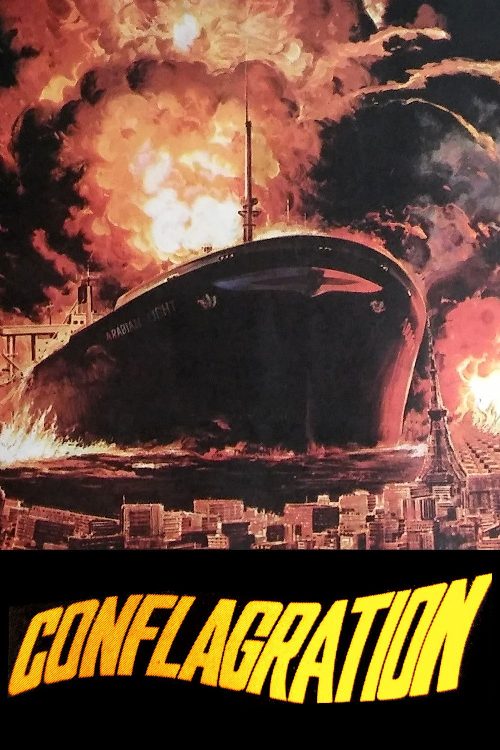
Global South guerrillas hijack the Japanese oil tanker Arabian Light, threatening to blow it up in Tokyo Bay, unless the Cabinet complies with an economically devastating ultimatum.
The year 1975 marked a distinct shift in Japanese genre cinema, as filmmakers began weaving global geopolitical anxieties into the fabric of high-stakes domestic thrillers. Conflagration serves as a chilling case study of this era, transplanting the fears of international insurgencies directly into the sheltered waters of Tokyo Bay. While Indian cinema audiences are well-acquainted with the high-octane hostage drama trope through modern hits like A Wednesday or various Tamil political thrillers, this Japanese classic offers a markedly different, more methodical approach to the genre. It avoids the stylized heroics often found in contemporary blockbuster culture, opting instead for a tense, claustrophobic atmosphere that forces the viewer to confront the fragility of infrastructure and the cold calculations of political governance.
At the heart of the narrative is the hijacking of the tanker Arabian Light, a vessel that becomes a floating powder keg held by militants with an uncompromising agenda. The film excels by prioritizing the psychological weight of the ultimatum over mere pyrotechnics. For fans of South Indian suspense cinema, where the battle between individual morality and systemic corruption often takes center stage, this film will feel remarkably resonant. It features a powerhouse ensemble cast, including the commanding presence of Tetsuro Tamba and the intense energy of Hiroshi Fujioka, who ground the spectacle in genuine human stakes. The production captures a specific moment in history when the vulnerability of global energy supplies became a potent weapon for those operating outside the traditional structures of power.
Viewers who appreciate slow-burn narratives where the ticking clock is as much about bureaucratic paralysis as it is about physical danger will find this essential viewing. It stands as a bridge between the gritty crime dramas of the late sixties and the polished disaster epics that would dominate the following decade. By centering the conflict on a single, isolated location, the director forces the characters into a moral corner, making the audience question how much a government should sacrifice to neutralize an existential threat. It is a sophisticated piece of suspense that demands patience but rewards the viewer with a profound sense of dread. For those who enjoy the thematic depth found in the best of Malayalam or Telugu political dramas, this vintage Japanese thriller remains a masterclass in tension, proving that the most effective threats are those that challenge our fundamental sense of safety within our own borders.
Cast(30)