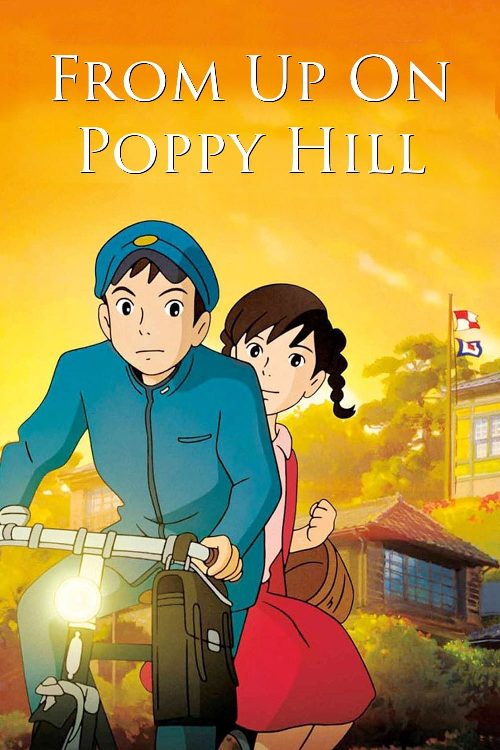
From Up on Poppy Hill(2011)
About From Up on Poppy Hill
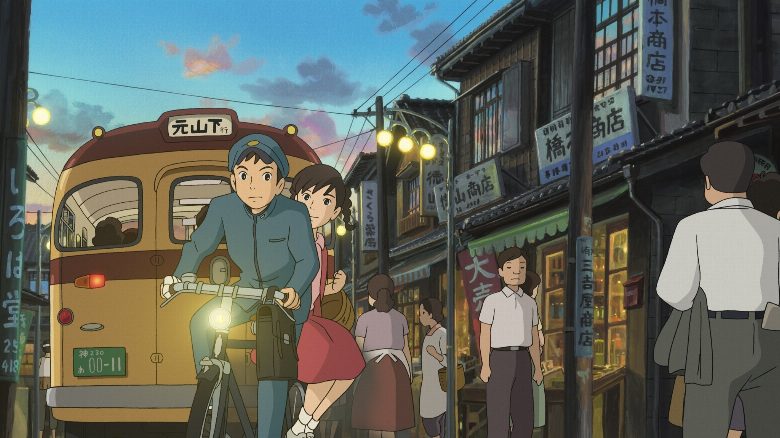
Yokohama, 1963. Japan is picking itself up from the devastation of World War II and preparing to host the 1964 Olympics—and the mood is one of both optimism and conflict as the young generation struggles to throw off the shackles of a troubled past. Against this backdrop of hope and change, a friendship begins to blossom between high school students Umi and Shun—but a buried secret from their past emerges to cast a shadow on the future and pull them apart.
Goro Miyazaki captures a fleeting, sun-drenched moment in history where the weight of post-war reconstruction meets the blossoming idealism of youth. Set against the backdrop of 1963 Yokohama, this Studio Ghibli production operates as a poignant period drama that trades the fantastical whimsy often associated with the studio for a grounded, intimate look at adolescent discovery. The film distinguishes itself by focusing on the quiet architecture of everyday life, from the bustling kitchens of a boarding house to the cluttered, dust-choked halls of an old school clubhouse slated for demolition. It is a rare work that finds high stakes not in grand battles, but in the preservation of heritage and the delicate navigation of nascent romance.
The narrative excels at illustrating the friction between the old guard and the incoming generation, mirroring the broader shifts occurring in Japanese society as it prepared for the global spotlight of the 1964 Olympics. For audiences familiar with the regional cinemas of India, where films often balance family legacy with the pursuit of individual identity, this story will feel remarkably resonant. The struggle to save a historic building from modernization serves as a powerful metaphor for the internal tug-of-war between honoring one's lineage and carving out a new path. It is a contemplative viewing experience that prioritizes mood and character development over rapid-fire plot progression, making it a perfect recommendation for those who appreciate the slow-burn emotional depth found in modern Malayalam classics or the character-driven dramas of the parallel cinema movement.
Viewers who enjoy stories that celebrate community resilience and the importance of preserving historical memory will find much to admire here. The animation is masterfully understated, utilizing a warm, nostalgic color palette that evokes the precise texture of a bygone era. While some might be drawn to the central mystery concerning the protagonists and their shared history, the true triumph of the piece is its celebration of student activism and collective action. By grounding the story in the specific atmosphere of 1960s Japan, the film transcends its local setting to offer a universal meditation on the persistence of hope. It stands as a testament to the idea that even in a world defined by rapid change and hidden secrets, the strength of human connection remains the most vital force for moving forward.
Cast(13)