About Contact
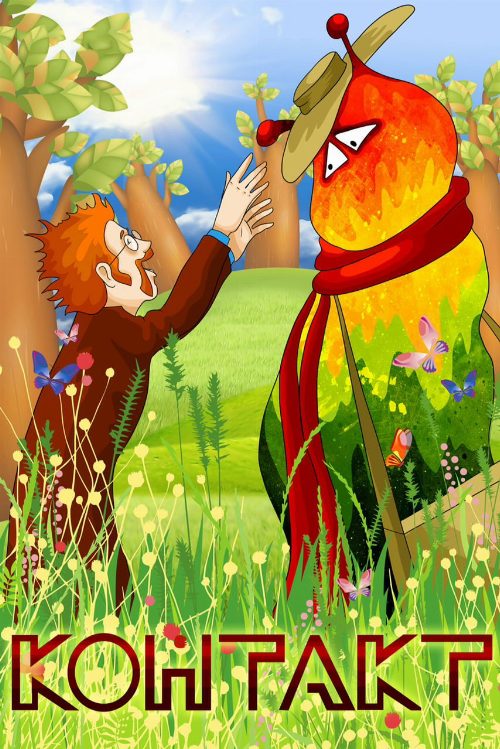
A man walking on the fields encounters an alien visitor from outer space.
Few animated works from the late seventies capture the existential curiosity of the space age quite like the Soviet production Contact. Directed by Vladimir Tarasov, this short film stands as a fascinating bridge between the cerebral science fiction of the era and the visual experimentation that defined Eastern European animation. Rather than focusing on the typical tropes of extraterrestrial invasion or technological warfare, the narrative opts for a minimalist, almost meditative study of communication. By stripping away dialogue and relying on a striking aesthetic, the film explores the fragile bridge between two vastly different forms of intelligence, positioning the encounter not as a clash of civilizations but as a fleeting moment of universal recognition.
The film feels remarkably ahead of its time, mirroring the artistic sensibilities that would later influence modern creators who favor atmosphere over exposition. Its distinct visual style, characterized by fluid lines and a hauntingly evocative score by Leonid Chizhik, creates an immersive environment that feels both grounded in rural reality and untethered from earthbound logic. For audiences familiar with the diverse storytelling traditions of Indian cinema, this piece offers a refreshing contrast to the high-octane spectacle often found in contemporary regional language sci-fi. It appeals specifically to viewers who appreciate auteur-driven animation and philosophical storytelling, functioning more like a visual poem than a traditional plot-driven experience.
Tarasov remains a pivotal figure in the history of animation, having masterfully utilized the medium to probe complex human themes under the constraints of his political climate. In Contact, he demonstrates a unique ability to find humanity in the unknown, making the interaction between a solitary wanderer and a mysterious visitor feel deeply intimate. The film is perfectly suited for those who enjoy slow-burn narratives where the lack of spoken language allows the music and movement to convey the emotional stakes. Whether you are a dedicated fan of classic international animation or a newcomer intrigued by the evolution of science fiction in global cinema, this work serves as an essential, thought-provoking chapter in the history of the genre. It remains a testament to how effectively cinema can transcend language barriers to address the fundamental human desire for connection, reminding us that the most profound encounters often happen in the quietest of spaces.
Cast(1)

Crew
Assistant Art Director
Sound Director
Producer
Director
Writer
Director of Photography
Editor
Similar Films