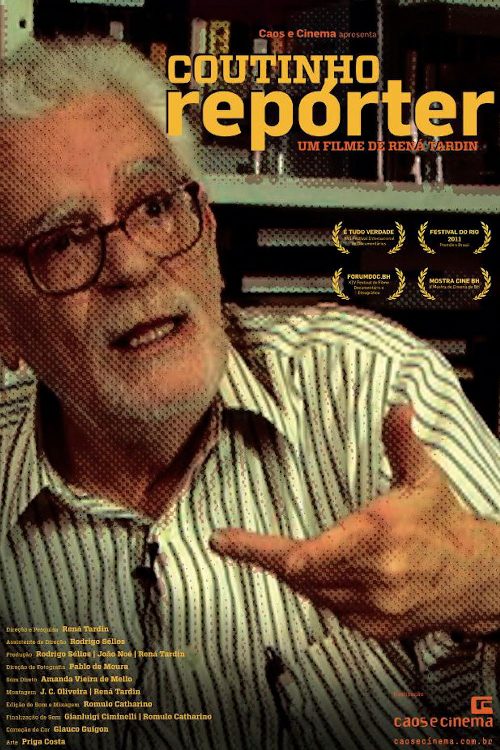
About Coutinho Reporter
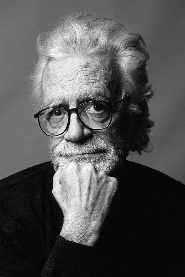
In an open conversation with Eduardo Coutinho, the filmmaker analyzes the period he worked for Globo Repórter on TV Globo. During the military dictatorship, he produced documentaries with a strong social focus. This experience marked his transition into a documentary filmmaker. After his time at Globo Repórter, he completed his most important film: "Twenty Years Later."
The documentary landscape of the early twenty-first century often reflects on the evolution of personal craft, and Coutinho Reporter stands as a fascinating bridge between commercial television history and the auteur-driven nonfiction cinema that defined a career. Rather than merely chronicling a resume, director Rena Tardin invites the legendary Eduardo Coutinho to unpack the complexities of his formative years within the machinery of mainstream broadcasting. For viewers who follow the trajectory of Brazilian documentary, this film serves as an essential case study on how a creator navigates the friction between institutional constraints and the desire for authentic social observation. By focusing on his tenure at Globo Reporter, the narrative highlights a pivotal era when the medium was inextricably linked to the socio-political climate of a military dictatorship, revealing how those pressures forged the observational techniques that would later become his trademark.
What distinguishes this project from a standard biographical retrospective is the intimacy of the dialogue, which captures a master of the craft reflecting on his own maturation. It is a contemplative piece that will resonate deeply with students of film history and followers of documentary theory, as it strips away the polish of finished works to reveal the raw, often conflicting motivations behind the camera. The film is perfectly positioned for those interested in the ethics of the interview process and the evolution of the documentarian as a listener rather than just a narrator. While international audiences may be more familiar with his later masterpieces, this exploration provides the necessary context for understanding the philosophical shift that allowed him to transition from television journalism to the more experimental, deeply humanistic storytelling he eventually championed.
This work serves as a reminder that the most profound documentaries often emerge from an examination of the filmmaker themselves, rather than just the subjects they choose to capture. By looking back at his early professional challenges, the film illustrates the resilience required to maintain a voice within large media systems. It is a thoughtful, measured exploration that prioritizes intellectual honesty over nostalgia, making it a compelling watch for anyone invested in how personal history shapes cinematic legacy. By framing his past through the lens of a direct conversation, the film honors the legacy of a man whose influence continues to ripple through modern nonfiction filmmaking, offering a rare glimpse into the internal dialogue of a visionary who transformed the way we view the relationship between the observer and the observed.