About Dag 1
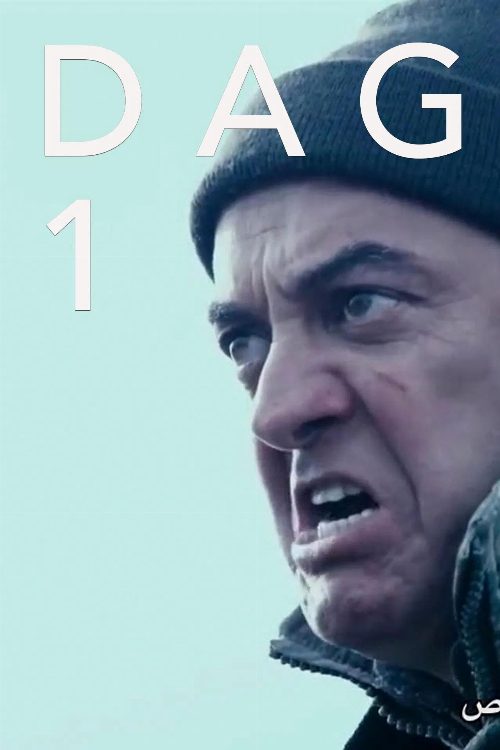
The city must be evacuated. Everything is going to hell. But a man is on his way to town. He's going to a job interview, he's nervous and repeats over and over to himself: "Sorry I'm late... Sorry I'm late."
Navigating the absurdity of modern life often requires a delicate balance between personal ambition and the collapsing world around us, a tension captured with surprising precision in the 1997 Norwegian drama Dag 1. Directed by Joachim Ronning, this film serves as an early showcase for a filmmaker who would eventually find his way to major Hollywood productions. The narrative centers on a protagonist whose singular focus on a professional milestone blinds him to the catastrophic events unfolding in his immediate environment. While the city faces total evacuation due to an unspecified crisis, the lead character remains preoccupied with the mundane etiquette of an upcoming job interview. This juxtaposition creates a dark, almost surreal atmosphere that sets the project apart from standard disaster cinema of the nineties, trading high-octane spectacle for a claustrophobic character study.
The film acts as a fascinating time capsule of European independent storytelling during the late twentieth century. For audiences accustomed to the vibrant, often melodramatic storytelling of contemporary Indian cinema, where social stakes are typically woven into grand emotional tapestries, Dag 1 offers a starkly different aesthetic. It leans into the Scandinavian penchant for minimalist dread and dry, existential humor. While Indian industries like the Malayalam or Tamil film circuits have mastered the art of grounding high-concept dramas in visceral reality, this Norwegian production approaches its premise with a detached, observational lens. It is a film for viewers who appreciate psychological tension over traditional plot progression, demanding that the audience reconcile the absurdity of the hero's singular mission with the encroaching chaos of a crumbling society.
Kare Conradi delivers a performance that anchors the film in a nervous, repetitive reality, effectively portraying a man who is terrified of being late to a meeting even as the world around him effectively ends. His insistence on maintaining professional decorum in the face of absolute doom provides a biting commentary on the dehumanizing nature of corporate structures. The film does not rely on massive budgets or explosive set pieces to convey its message; instead, it relies on the quiet horror of a man simply trying to follow the rules of a game that no longer exists. For fans of global cinema who enjoy exploring early works by directors who later gained massive international acclaim, this piece remains a compelling example of how a limited scope can often generate the most profound sense of unease. It is a brief but haunting exploration of how we prioritize our small, daily tasks even when everything else is falling apart.