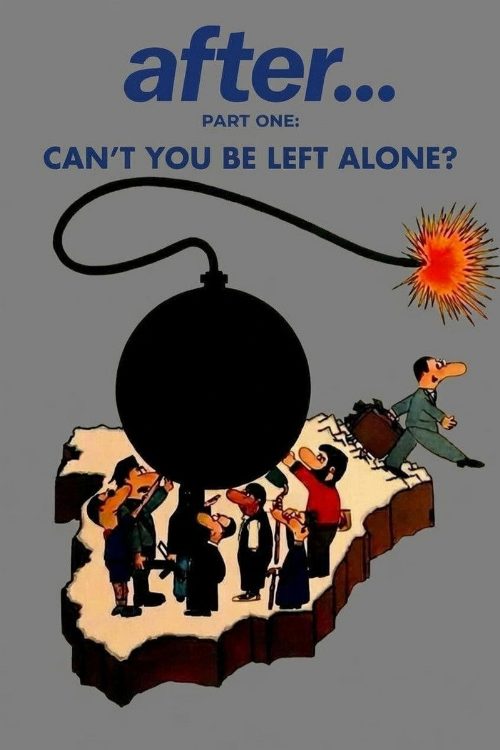
Después de… Primera parte: no se os puede dejar solos(1983)
About Después de… Primera parte: no se os puede dejar solos
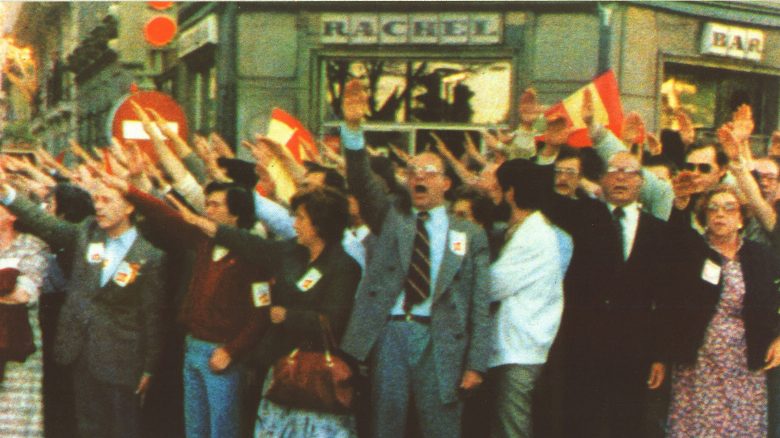
A history of the Spanish Transition told in first person by the main protagonists: on the one hand, the politicians, idealistic or merely opportunistic, who brought it to a successful conclusion in the tribunes and offices; on the other hand, the citizens who, in the streets, supported it sincerely or fought it with ferocity.
Capturing the turbulent essence of a nation reinventing its soul, Despues de... Primera parte: no se os puede dejar solos remains a seminal piece of investigative non-fiction that feels remarkably urgent even decades after its debut. While contemporary Indian cinema frequently explores the shifting tides of political identity through high-stakes dramas or biopics, this Spanish documentary takes a raw, unfiltered approach to the transition from dictatorship to democracy. Instead of relying on a polished narrator, the film places the microphone directly in front of the architects of a new era, from high-ranking party leaders to the passionate, often conflicting voices of ordinary people navigating a rapidly changing landscape. It serves as a vital historical document that captures the friction between top-down political maneuvering and the grassroots fervor of a society finally finding its collective voice.
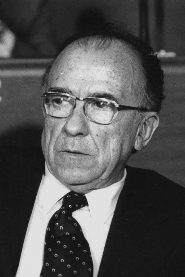
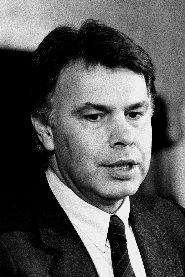
For viewers who appreciate the way modern Telugu or Tamil political thrillers dissect the mechanics of power, this documentary offers a masterclass in transparency and historical accountability. It does not shy away from the contradictions inherent in the Spanish transition, presenting a kaleidoscopic view that highlights both the idealism of institutional reform and the intense societal clashes that occurred outside the halls of government. The inclusion of figures like Felipe Gonzalez Marquez and Santiago Carrillo provides an intimate look at the personalities who steered a fragile ship through choppy waters, making it an essential watch for those interested in the sociology of governance and the fragility of democratic beginnings. The film avoids the trap of romanticizing the past, opting instead to present a multifaceted narrative where every participant offers a distinct, often subjective, slice of the truth.
This work is particularly striking for its dedication to the human element, ensuring that the heavy political weight is grounded by the lived experiences of citizens who experienced the shift with visceral intensity. It is an ideal recommendation for cinephiles who value the documentary form as a tool for political education and reflection. By choosing to spotlight the diversity of perspectives rather than enforcing a singular historical interpretation, the filmmakers invite the audience to weigh the merits and failures of a transformative period in European history. For fans of cinema that prioritizes intellectual rigor and historical preservation, this film stands as a testament to the power of the camera to act as an unblinking witness to the birth of a new political reality.
Cast(13)



Crew
Director of Photography
Special Effects
Associate Producer
Assistant Camera
Sound Engineer
Assistant Editor
Sound Recordist
Executive Producer
Songs
Similar Films