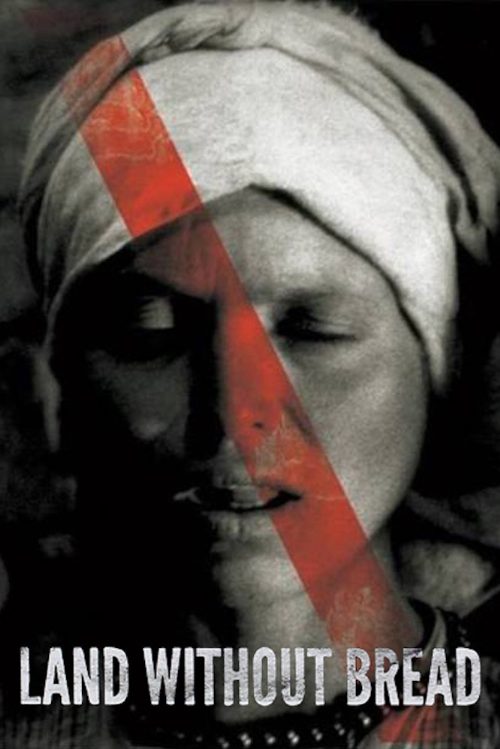
Land Without Bread(1933)
About Land Without Bread
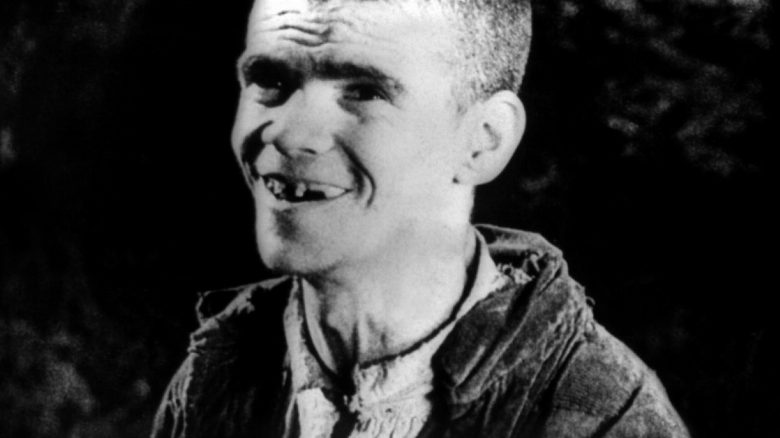
An exploration —manipulated and staged— of life in Las Hurdes, in the province of Cáceres, in Extremadura, Spain, as it was in 1932. Insalubrity, misery and lack of opportunities provoke the emigration of young people and the solitude of those who remain in the desolation of one of the poorest and least developed Spanish regions at that time.
Luis Buñuel's 1933 film Land Without Bread (Las Hurdes) remains a stark, unsettling landmark in cinematic history, a work that blurs the lines between factual observation and calculated provocation. This Spanish documentary plunges viewers into the isolated, impoverished region of Las Hurdes, a remote corner of Extremadura, Spain, presenting a raw and unflinching portrait of a community struggling against immense hardship. What truly sets Buñuel's vision apart is his audacious decision to not merely document, but to actively shape and stage certain scenarios, a controversial choice that ignited debates about documentary ethics long before the term was even widely used. He deliberately crafts a narrative of extreme destitution, highlighting the insalubrious conditions, pervasive misery, and the crushing lack of prospects that drove many young people away, leaving behind a desolate landscape and an aging population.
Buñuel, a figure synonymous with surrealism and provocative filmmaking, channels his distinctive artistic sensibility into this ostensibly non-fiction piece. Rather than a straightforward ethnographic study, Land Without Bread functions as a biting social critique, using the plight of Las Hurdes to comment on broader societal neglect and the stark realities of rural Spain in the early 1930s. The film's impact lies in its ability to evoke profound empathy while simultaneously challenging the viewer's perception of truth. It's a testament to Buñuel's genius that even with its staged elements, the film's core message of human suffering and systemic poverty resonates with chilling authenticity. This approach positions it as a precursor to later movements in both documentary and experimental cinema, influencing generations of filmmakers who sought to push the boundaries of visual storytelling.
Viewers with an interest in the history of cinema, particularly the evolution of documentary filmmaking and the early works of European auteurs, will find Land Without Bread a compelling and essential watch. It's a film for those who appreciate cinema that sparks intellectual discourse, challenges conventions, and unflinchingly confronts uncomfortable truths. While it lacks the narrative structure of conventional drama, its visceral imagery and a haunting narration create an immersive experience that stays with you long after the credits roll. Buñuel's early foray into depicting societal struggles remains a powerful, if ethically complex, testament to his enduring legacy as a cinematic provocateur and a master storyteller.
Crew
Producer
Original Music Composer
Editor
Assistant Director
Sound Designer
Screenplay
Book
Similar Films