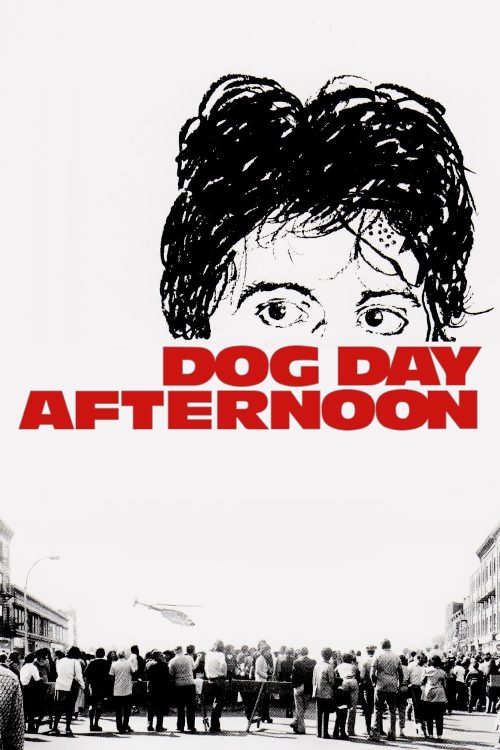
Dog Day Afternoon(1975)
About Dog Day Afternoon
Based on the true story of would-be Brooklyn bank robbers John Wojtowicz and Salvatore Naturile. Sonny and Sal attempt a bank heist which quickly turns sour and escalates into a hostage situation and stand-off with the police. As Sonny's motives for the robbery are slowly revealed and things become more complicated, the heist turns into a media circus.
Sidney Lumet captured the frantic energy of 1970s New York City with a precision that few contemporary crime dramas have ever managed to replicate. Dog Day Afternoon stands as a masterclass in claustrophobic tension, transforming a botched robbery into a sprawling, multi-layered character study. While many heist films focus on the mechanics of the crime or the thrill of the getaway, this narrative chooses to dwell on the messy, human desperation that drives people to extremes. By centering the story on the crumbling resolve of its protagonists as their plan disintegrates, the film transcends the tropes of the genre to offer a poignant look at identity, social isolation, and the voyeuristic nature of modern media.
For audiences familiar with the intense, performance-driven storytelling of the Indian film industry, this movie mirrors the grit found in the best of Malayalam or Tamil neorealist cinema. It shares a thematic kinship with films that prioritize authentic character arcs over stylized action sequences, making it a perfect recommendation for viewers who appreciate the raw, grounded emotional beats of directors like Mani Ratnam or Lijo Jose Pellissery. Al Pacino delivers a career-defining performance that anchors the chaos, shifting seamlessly from bravado to vulnerability. The film is essential viewing for anyone who enjoys watching a story spiral out of control while maintaining a razor-sharp focus on the internal turmoil of its lead characters.
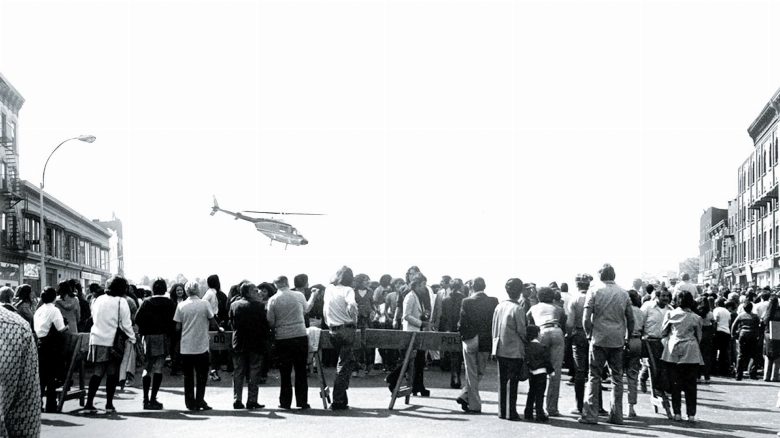
The brilliance of this production lies in how it frames the growing spectator crowd as a secondary antagonist, highlighting the uncomfortable relationship between public spectacle and private tragedy. It serves as a precursor to the modern obsession with 24-hour news cycles and the way public perception can distort the reality of a desperate situation. Even decades after its release, the film remains strikingly relevant, proving that the most compelling conflicts are not necessarily between the police and the criminals, but within the individuals caught in the crossfire of their own choices. It is a gritty, unvarnished portrait of humanity under pressure that feels just as urgent today as it did upon its debut. Whether you are a student of classic American cinema or simply someone who thrives on narratives that challenge moral boundaries, this work offers a deep, thought-provoking journey that refuses to provide easy answers.
Cast(39)