About Double Crossing
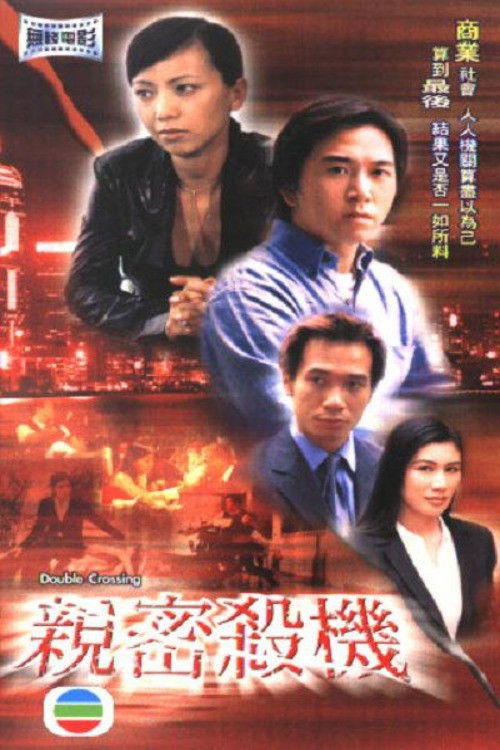
Stepping away from the high-octane blockbusters that often dominate global perceptions of Chinese cinema, Double Crossing serves as a fascinating relic of early 2000s television thrillers. Directed by Joe Chan, this production leans heavily into the claustrophobic tension and psychological maneuvering that defined the mystery genre during that era. While many contemporary viewers are accustomed to the sprawling scale of modern pan-Indian cinema or the polished aesthetics of current streaming hits, this film offers a grounded, character-driven experience. It functions as a classic cat-and-mouse narrative where the shifting allegiances of the protagonists dictate the flow of the story, proving that a compelling script and strong lead performances remain the ultimate anchors for any successful suspense project.
The film is anchored by the seasoned screen presence of Adam Cheng Siu-Chow, an actor whose career has spanned decades of iconic roles, bringing a necessary gravitas to a plot built on deception. In the context of regional Asian cinema, this project mirrors the intricate storytelling found in the suspense-heavy thrillers of the Tamil or Malayalam industries, where the focus is often placed on the slow unraveling of a central mystery rather than visual spectacle. It is positioned as a quintessential watch for those who appreciate the methodical pacing of investigative dramas. The production design and atmospheric lighting work in tandem to heighten the sense of unease, ensuring that the audience feels the weight of every hidden motive and betrayed trust.
For fans of mystery cinema who enjoy dissecting plot threads and identifying unreliable narrators, Double Crossing provides an engaging puzzle that rewards careful observation. It does not attempt to reinvent the wheel, but rather excels within its specific television constraints, offering a sharp look at how power dynamics can corrupt personal relationships. Viewers who find themselves drawn to the recent surge of gritty, suspense-oriented content in Indian regional markets will likely find a kindred spirit in this film. By prioritizing dialogue-heavy confrontations and subtle physical acting over explosive action sequences, the director successfully taps into a universal language of suspicion and paranoia. This title stands as a reminder that even within the limited budget of a television movie, creative direction can elevate a standard crime premise into a memorable viewing experience that keeps the viewer guessing until the final frame.
Cast(10)