About Egret and Turtle
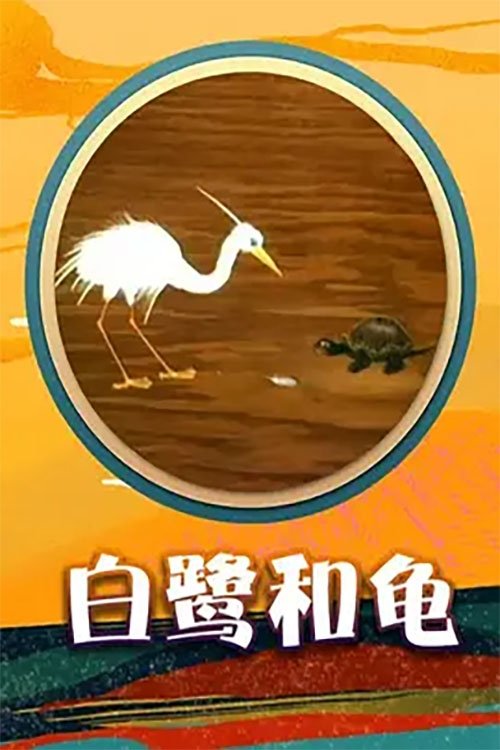
Few animated works capture the quiet, philosophical tension of fable-telling with the elegance displayed in Egret and Turtle. Directed by the legendary Hu Jinqing, this 1992 Chinese production stands as a masterclass in the art of traditional ink-wash animation. While contemporary global audiences are often accustomed to the frantic pacing of computer-generated blockbusters, this film invites viewers into a meditative space where every brushstroke serves the narrative. By focusing on a classic encounter between two iconic creatures, it strips away the noise of modern storytelling to reveal the timeless nature of rivalry and the vulnerability inherent in pride. The visual style is deeply rooted in a rich artistic heritage, utilizing textures that mimic authentic ink paintings to create a landscape that feels both fragile and permanent.
The film operates within a tradition of didactic storytelling that resonates strongly with fans of world cinema who appreciate the intersection of folklore and visual poetry. In the context of the evolving animation landscape, Egret and Turtle serves as a poignant reminder of how regional aesthetics can communicate universal truths about human behavior. Much like the nuanced character dramas found in the best of Indian parallel cinema, the narrative relies on understated conflict rather than explosive action. It is a work that demands patience, rewarding the viewer with a sophisticated exploration of cause and effect. Those who admire the philosophical underpinnings of regional Indian cinema or the subtle storytelling of Ghibli classics will find this piece particularly compelling for its ability to convey profound wisdom through simple, animal-centric allegories.
Hu Jinqing was already a pivotal figure in the history of animation before this project, having helped define the distinct look of the Shanghai Animation Film Studio. His approach here is not merely decorative but structural, as the fluidity of the ink-wash technique mirrors the shifting power dynamics between the two leads. The film functions as a stark, beautiful study of caution and consequence, making it an essential watch for cinephiles interested in the evolution of Eastern animation techniques. Rather than relying on dialogue-heavy scripts, the production leans into the expressive potential of movement and silence. It remains a fascinating artifact of early nineties creativity, positioning itself as a must-see for anyone seeking to understand how minimalist techniques can yield maximum emotional resonance, bridging the gap between historical artistry and the timeless appeal of a well-told moral lesson.