About End Call
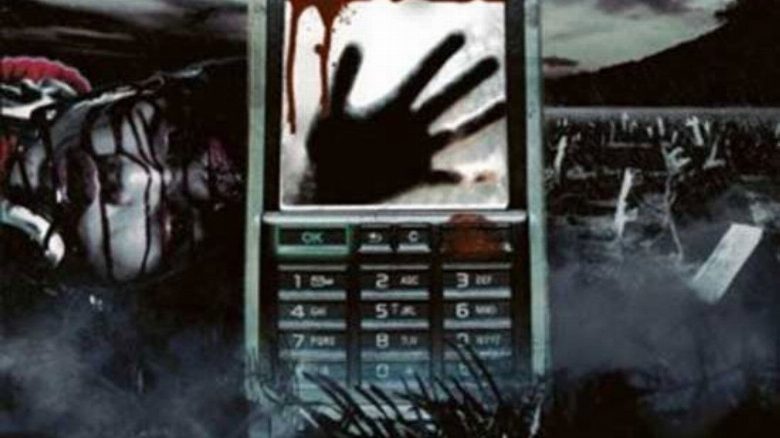
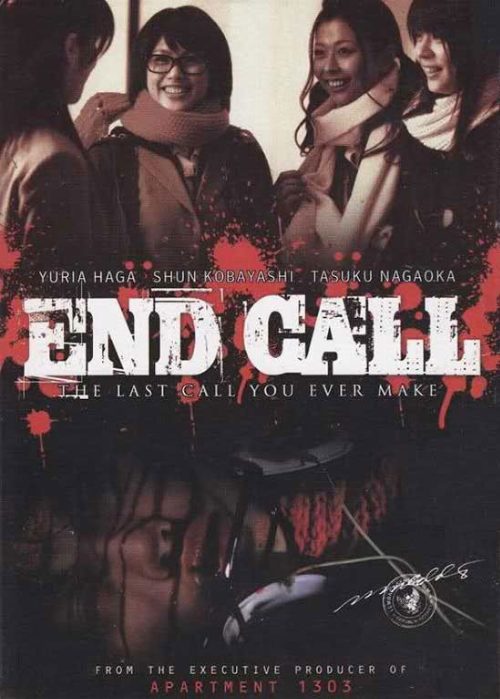
According to an urban legend spreading in Japan, if you call an American number at midnight from your cell phone, you'll have a wish granted in exchange for a few minutes of your life. Some female students, stressed by poor school results and a barely functioning personal life, decide to dial the number, and from that moment on, everything changes. They'll realize they've sold their souls to the devil when a series of strange accidents and violent deaths begin to occur.
The Japanese horror landscape of the late two thousands frequently tapped into the existential dread of modern technology, and End Call stands as a chilling artifact of that specific era. Director Kiyoshi Yamamoto crafts a narrative that transforms the mundane ritual of late-night telecommunications into a gateway for supernatural retribution. While many films of this period leaned heavily on the tropes established by the J-horror boom, this project distinguishes itself by grounding its terror in the frantic desperation of youth. The premise centers on students grappling with the crushing pressures of academic performance and social expectations, turning a seemingly harmless urban legend into a fatal gamble. It is a classic cautionary tale that highlights the thin line between seeking a shortcut to success and inviting irreversible ruin.
For enthusiasts of regional cinema who appreciate how cultural anxieties manifest in genre storytelling, this film offers a fascinating look at the intersection of traditional folklore and the rapid digital expansion of the early twenty-first century. Much like the tech-infused fears found in contemporary thrillers from the Indian film industries, where social media and digital connectivity are often portrayed as double-edged swords, End Call captures the unease of an increasingly wired society. The performances from cast members like Yuria Haga and Asami Usuda bring a grounded vulnerability to the characters, making the transition from relatable academic stress to high-stakes survival feel remarkably earned. It is positioned as a grim reminder that in the world of urban legends, every transaction has a hidden, often lethal, cost.
Viewers who enjoy atmospheric suspense and the slow-burn dread characteristic of Japanese psychological horror will find much to admire here. It is not merely a collection of scares but an examination of the impulsive decisions made under duress. Yamamoto avoids relying solely on cheap visual tricks, instead focusing on the mounting psychological toll that follows the initial phone call. By tapping into the universal desire for a quick fix to one’s problems, the film resonates on a level that transcends its specific setting. Whether you are a dedicated follower of international horror or someone interested in how global cinema reflects the anxieties of the digital age, this work serves as an effective, unsettling entry in the genre. It remains a compelling study of how a simple mistake can cascade into a nightmare, proving that some connections are better left unmade.