
About Suicide Club
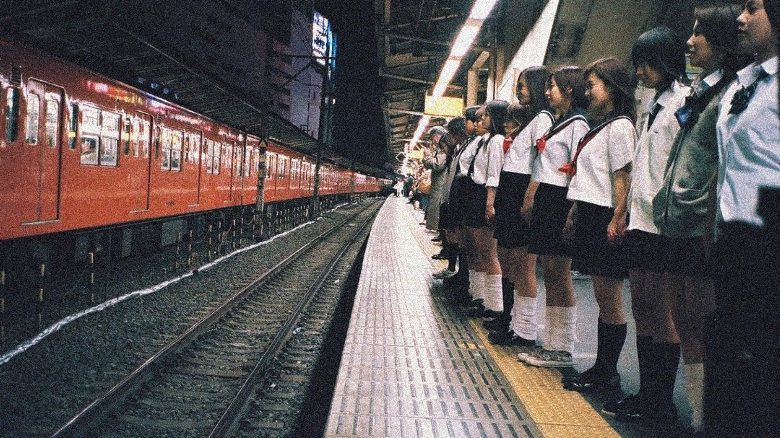
When the bizarre mass suicide of 54 high school girls throwing themselves in front of a subway train appears to instigate a string of suicides around the country, Detective Kuroda strives to find the answer, which isn't as simple as he had hoped.
Few films have managed to capture the unsettling intersection of pop culture, existential dread, and modern alienation quite like Sion Sono’s 2001 breakout, Suicide Club. Long before the digital age turned viral trends into a global obsession, this Japanese cult classic examined the terrifying speed at which collective consciousness can spiral into self-destruction. The story kicks off with a jarring, surreal sequence involving a group of students at a railway station, a moment that remains one of the most recognizable and disturbing images in contemporary horror cinema. Rather than focusing on the mechanics of a police procedural, the film uses its central mystery as a canvas to explore the hollow isolation of youth and the way societal pressures can manifest in horrific, inexplicable ways.
For audiences familiar with the current wave of high-concept psychological thrillers coming out of industries like the Telugu or Tamil film sectors, where social commentary often blends with genre experimentation, this movie feels surprisingly ahead of its time. It eschews the typical jump scares of early 2000s horror in favor of a lingering, uncomfortable atmosphere that forces the viewer to question the stability of their own surroundings. The film positions itself as a jagged, satirical look at the J-pop industry and the commodification of human life, suggesting that when a society values spectacle above substance, the consequences can be catastrophic. It is a dense, often opaque experience that rewards those who enjoy films that refuse to offer easy answers or moral comfort.
Director Sion Sono has built a career on pushing the boundaries of taste and narrative structure, and this early work serves as the foundational text for his singular brand of provocative filmmaking. It is a essential watch for fans of transgressive international cinema who appreciate movies that function as metaphors for urban decay and lost identity. While the graphic nature of the opening scenes might prove too intense for casual viewers, the film’s deeper layers—which touch upon the fragility of human connection in an increasingly impersonal world—remain deeply resonant. Whether viewed as a dark critique of the internet era before it truly began or as a surreal exploration of nihilism, the movie stands as a chilling monument to the power of the avant-garde. Those who seek out cinema that challenges the status quo and lingers in the mind long after the final credits roll will find this a haunting, indispensable addition to their watchlist.
Cast(15)