About Fall of Japan: In Color
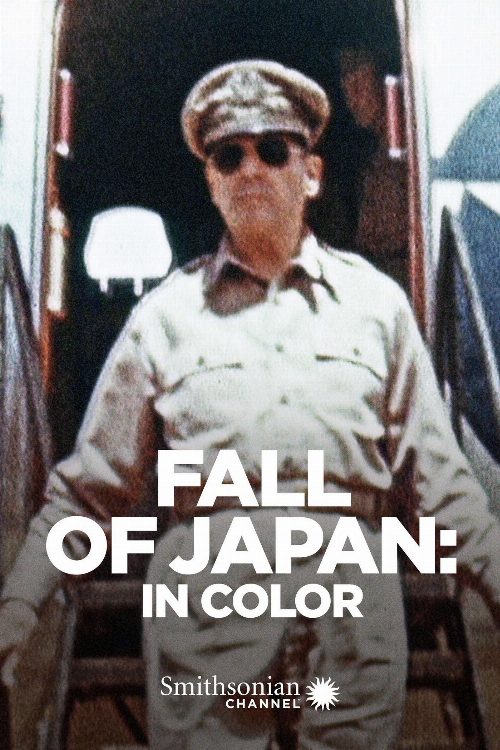
William Courtenay's color film of the pacific campaign and Japan's downfall.
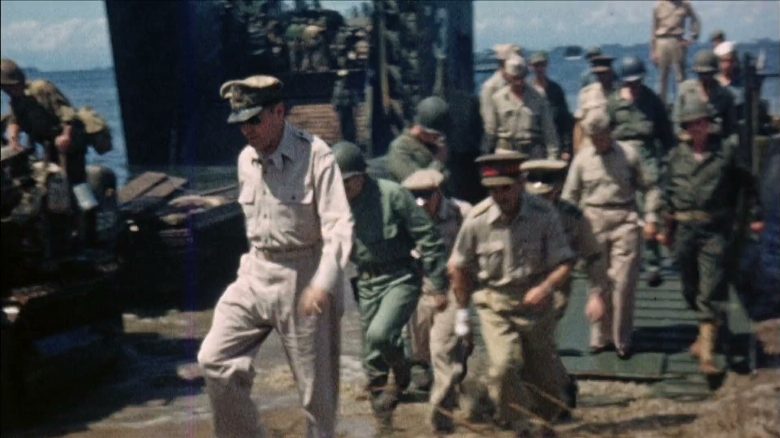
Rarely do we get the chance to witness the definitive turning points of the twentieth century through the vibrant lens of original color cinematography, yet Fall of Japan In Color provides exactly that visceral experience. By centering its narrative on the extensive footage captured by war correspondent William Courtenay, the documentary moves beyond the grainy, desaturated aesthetic that typically defines our visual memory of the Pacific theater. This production serves as a remarkable historical artifact, peeling back the layers of time to reveal the stark realities of the final months of the conflict with a clarity that feels startlingly contemporary. It is a testament to the power of archival restoration, allowing modern audiences to engage with the gravity of these events without the distance often created by black and white film.
For viewers accustomed to the high production values of modern Indian historical dramas that often emphasize grand spectacle and emotional resonance, this documentary offers a different kind of intensity. While regional industries like Telugu and Tamil cinema frequently explore themes of nationalism and sacrifice through stylized storytelling, this film grounds its impact in the raw, unvarnished truth of the camera lens. It functions as a somber companion piece for those who appreciate the meticulous research seen in global historical documentaries, stripping away the dramatization to focus on the human cost of global upheaval. Corey Johnson provides a steady, authoritative narration that anchors the visual experience, ensuring that the gravity of the subject matter remains the primary focus throughout the runtime.
Director Martina Hall demonstrates a keen understanding of how to weave visual evidence into a cohesive, compelling timeline, making this an essential watch for history enthusiasts and documentary buffs alike. The film avoids the temptation to over-romanticize the era, instead opting for a clinical, honest look at the disintegration of the Japanese war effort. It is positioned as a must-see for anyone interested in the technical evolution of war documentation or the specific geopolitical shifts that defined the mid-1940s. By prioritizing the primary source material over modern reenactments, the film succeeds in creating a haunting bridge to the past, forcing a confrontation with the complexities of war that remains relevant long after the credits roll. Whether you are a scholar of global conflicts or simply a curious viewer seeking to understand the visual legacy of the Pacific campaign, this documentary stands as a vital addition to the genre of historical nonfiction.