
Family Business(1986)
About Family Business
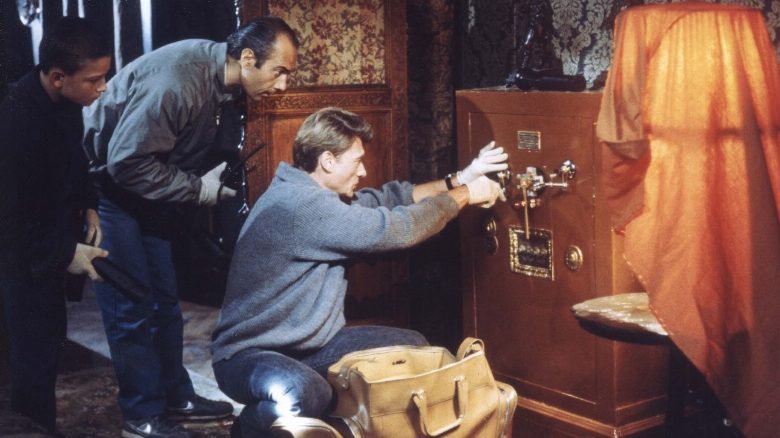
A recently released safecracker returns to stealing in order to support his family. After several successful thefts, he decides to induct his teenage son into the 'family business'.
The collision of domestic stability and illicit professional choices provides the comedic foundation for this 1986 French feature, a film that captures a distinct era of European lightheartedness while exploring the irony of inheritance. While Indian cinema audiences are well-acquainted with the trope of the criminal patriarch attempting to steer his legacy toward the next generation, this French narrative approaches the concept with a lighter, more stylized sensibility. Rather than relying on the high-octane emotional stakes often found in local crime dramas from Tollywood or Kollywood, the film leans into the absurdity of a father treating burglary as a respectable trade, akin to a generational shopkeeping venture or a family-owned craft.
For those who enjoy the character-driven humor characteristic of classic French comedies, the movie offers a compelling look at the friction between upbringing and personal autonomy. The casting of Fabrice Luchini brings a sharp, intellectual edge to the proceedings, grounding the more farcical elements in a tangible sense of humanity. As the protagonist attempts to normalize his criminal activities, the film raises gentle questions about how we define the professional identities we pass down to our children. It serves as an interesting historical mirror to the contemporary global obsession with legacy and the burdens of family expectations that frequently fuel stories in the Malayalam and Tamil film industries today.
Viewers who appreciate films that blend heist mechanics with intimate character portraits will find this piece particularly engaging. It is less about the technical execution of the crimes and more about the awkward, evolving dynamic between a father who sees himself as a provider and a son navigating his own burgeoning adulthood. By stripping away the gritty cynicism often associated with underworld narratives, the director creates a space for witty dialogue and situational humor that keeps the pacing brisk. This is not a film that demands heavy philosophical investment but rather one that invites the audience to observe a dysfunctional yet oddly relatable bond. It remains a quintessential example of how European directors of the eighties utilized the comedy genre to satirize bourgeois values, making it a worthy addition to the watchlist of any cinephile interested in the evolution of the family-centric heist narrative across international borders.
Cast(21)