About Filipiñana
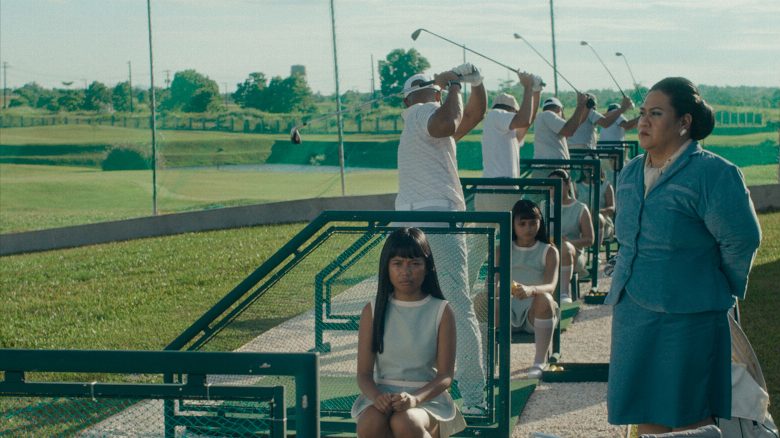
Tee girl Isabel feels strangely drawn to Dr. Palanca, the president of the country club where she works. However, after piecing together a violent picture of what lies beneath the club’s pristine surface, she realizes that what began as an innocent infatuation is actually rooted in a sinister shared history.
The corridors of power and privilege often hide dark secrets behind manicured lawns and polite society, a trope that Filipiñana explores through the eyes of a young woman navigating the rigid hierarchies of a country club. Set against the backdrop of a high-stakes social environment, the film centers on Isabel, a worker who finds herself inexplicably captivated by the enigmatic Dr. Palanca. What starts as a seemingly mundane workplace observation quickly shifts into a tense investigation as she uncovers disturbing truths about the foundation upon which her employer stands. By moving beyond a simple class commentary, the narrative forces its protagonist to confront a legacy of trauma that connects her own life to the very man she once admired from afar.
This drama arrives as a significant entry in contemporary cinema, reflecting a growing regional appetite for stories that interrogate systemic inequality through intimate, character-driven lenses. While many films in this genre rely on broad strokes to depict wealth disparity, Filipiñana opts for a more surgical approach, dissecting how historical violence embeds itself into modern institutional culture. The casting of seasoned performers like Angeli Bayani and Carlos Siguion-Reyna brings a necessary gravitas to the project, grounding the psychological unraveling in performances that feel both lived-in and deeply unsettling. For fans of slow-burn dramas that prioritize atmosphere and thematic depth over rapid-fire action, the film offers a compelling look at the hidden costs of elite life.
Viewers who enjoy social thrillers that challenge the viewer to connect the dots between personal obsession and broader political corruption will find plenty to dissect here. It is a film for those who appreciate the nuances of power dynamics, where silence and subtle glances are just as important as the dialogue. As the story unfolds, the contrast between the pristine aesthetics of the club and the jagged reality of its history serves as a stark reminder of how easily the past can haunt the present. By focusing on the intersection of individual agency and systemic rot, the director crafts a narrative that feels both localized and universally relevant, positioning itself as a must-watch for audiences seeking intellectual engagement alongside emotional stakes. The result is a haunting exploration of how we are all tethered to the histories we inherit, whether we choose to acknowledge them or not.
Cast(19)