About Flowers of Shanghai
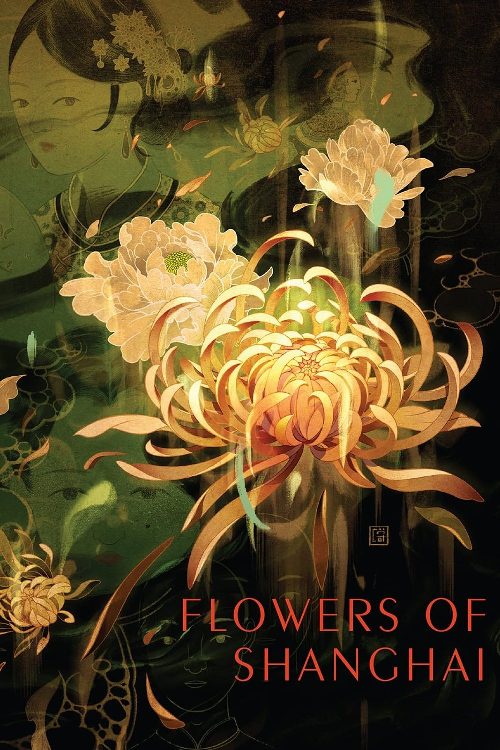
At the end of the 19th century, Shanghai is divided into several foreign concessions. In the British concession, a number of luxurious “flower houses” are reserved for the male elite of the city. Since Chinese dignitaries are not allowed to frequent brothels, these establishments are the only ones that these men can visit. They form a self-contained world, with its own rites, traditions and even its own language. The men don’t only visit the houses to frequent the courtesans but also to dine, smoke opium, play mahjong and relax. The women working there are known as the “flowers of Shanghai”.
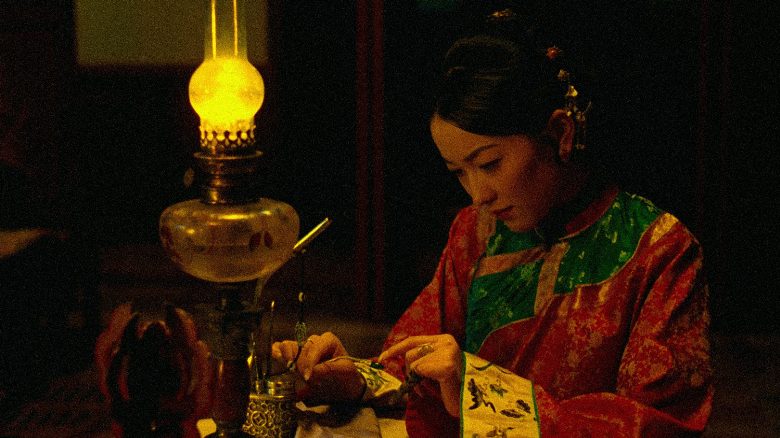
Hou Hsiao-hsien invites audiences into a sensory-rich, period-specific environment where the passage of time is measured by the glowing embers of opium pipes and the meticulous pouring of tea. Set within the sequestered, gilded cages of late nineteenth-century Shanghai, this masterpiece operates as a claustrophobic chamber drama that feels strikingly modern in its restraint. Rather than leaning into the melodrama often associated with tales of courtesans and their patrons, the film utilizes long, flowing takes to capture the intricate power dynamics and subtle emotional transactions occurring behind closed doors. For viewers accustomed to the high-octane energy of current pan-Indian cinema, this deliberate, atmospheric pace offers a profound contrast, proving that tension is often most potent when it is left unspoken rather than shouted from the rooftops.
The narrative functions as a meticulous study of a closed society where the elite men of the city navigate a complex web of social obligations and romantic entanglements. Tony Leung Chiu-wai leads an ensemble cast that perfectly inhabits the stifling, candlelit elegance of these private residences. While the setting is geographically distant from the vibrant landscapes of contemporary Telugu or Tamil dramas, the film shares a thematic preoccupation with duty, class hierarchy, and the fragile nature of personal freedom that resonates across cultures. It is a work for the patient cinephile, those who appreciate the aesthetic rigor of directors like Mani Ratnam or the atmospheric depth found in recent celebrated Malayalam arthouse projects. The film does not merely document a historical period; it reconstructs a vanished world through a hypnotic lens that prioritizes the unspoken weight of every gesture.
As a foundational work of international art house cinema, the film remains a vital reference point for understanding how directors can use physical space to define the boundaries of human relationships. Its influence persists in the way contemporary filmmakers handle ensemble character studies, where the architecture of a room becomes just as important as the dialogue spoken within it. Those seeking a departure from the traditional narrative arcs of mainstream blockbusters will find this piece to be an essential exploration of longing and entrapment. By stripping away the spectacle and focusing on the cyclical, ritualistic behavior of its subjects, the film stands as a timeless meditation on the art of performance, both within the brothel walls and in the broader theater of aristocratic life. It is an enduring example of how cinema can transport a viewer into a dreamlike, yet deeply grounded, historical reality.
Cast(19)