About Gautier Capuçon à l'Olympia
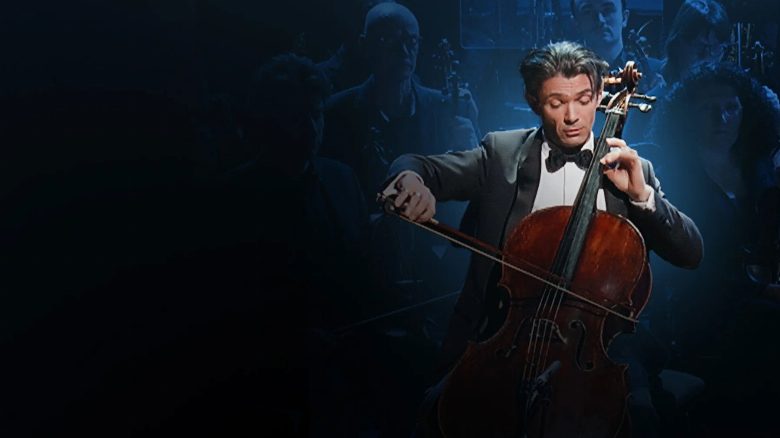
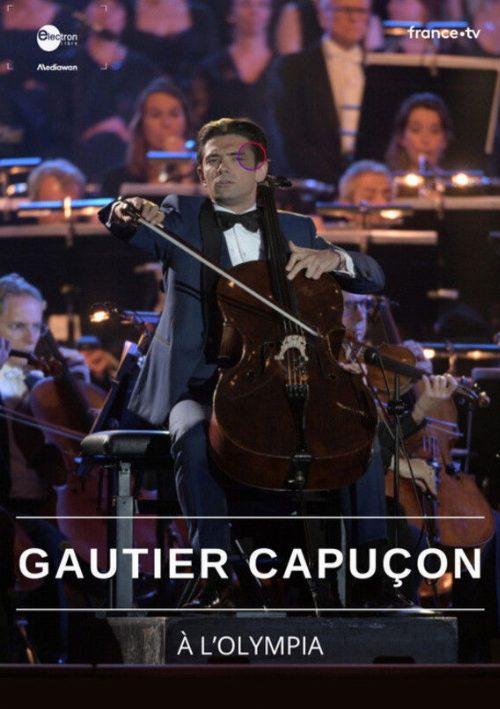
Recorded at the Olympia, this concert is like a travel journal dedicated to Paris, a city that Gautier Capuçon particularly adores. At the end of 2023, the French cellist released an album entitled "Destination Paris," where classical music rubs shoulders with pop, musicals, and even film soundtracks.
The grandeur of the historic Olympia theater provides a breathtaking backdrop for a musical journey that transcends the rigid boundaries of the traditional concert hall. In this 2024 film directed by Julien Faustino, world-renowned cellist Gautier Capuçon invites audiences into an intimate yet expansive exploration of sound, framed as a love letter to his home city. While Indian cinema audiences are accustomed to the grand, orchestrated scores of composers like A.R. Rahman or Ilaiyaraaja, this film offers a distinct European flavor by blending the rigor of classical cello suites with the accessibility of popular melodies and cinematic themes. It is a rare opportunity to witness a virtuoso deconstruct the elitism often associated with orchestral music, proving that the soulful resonance of a cello is just as capable of capturing the spirit of a bustling metropolis as it is performing a Bach sonata.
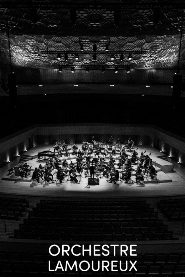
The project acts as a visual extension of the Destination Paris album, capturing a performance that feels less like a sterile recording and more like a curated travelogue. By featuring collaborations with Johanna Malangré and Jérôme Ducros, alongside the storied Orchestre Lamoureux and the youth-focused Orchestre a l Ecole, the film highlights a generational bridge in music. For viewers who appreciate the technical brilliance found in high-budget regional Indian films, the precision of Capucon is bound to impress. The film stands out because it avoids the typical tropes of concert documentaries, opting instead for a thematic flow that mirrors the romantic and chaotic essence of the French capital. It is a sophisticated experience for those who enjoy music that tells a story without needing a single word of dialogue.
This production is specifically crafted for fans of crossover music who are looking to broaden their horizons beyond standard commercial soundtracks. Even if one is not a scholar of classical arrangements, the emotional weight behind these interpretations makes the film highly approachable. It serves as an excellent introduction to how a single instrument can anchor a massive, genre-bending production. Given the current trend of global audiences seeking high-quality performances on digital platforms, this film positions itself as a soothing yet intellectually stimulating watch. It captures a moment of artistic vulnerability that is refreshing in an era of heavily processed, digital-first entertainment, offering a quiet, resonant escape that feels both timeless and perfectly suited for the contemporary viewer.