About The Melomaniac
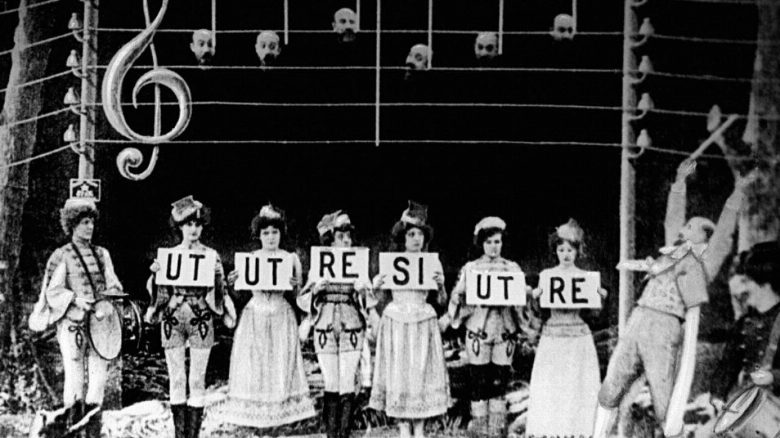
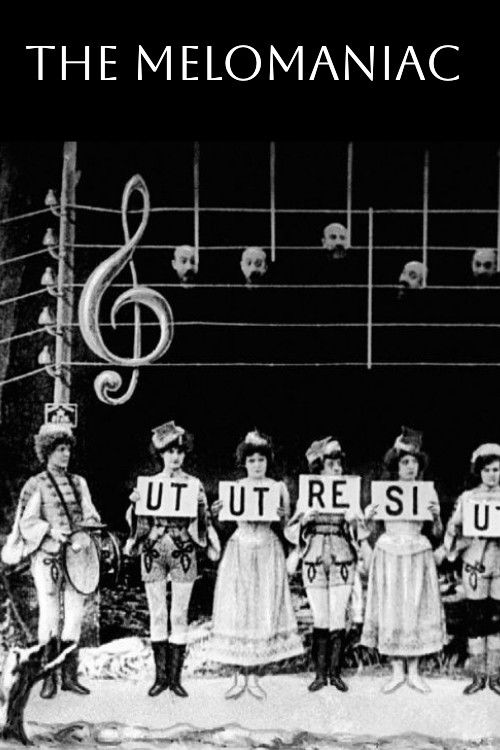
The leader of a marching band demonstrates an unusual way of writing music.
Stepping back into the earliest days of cinema, Georges Melies proves that the roots of visual storytelling were deeply intertwined with the whimsical and the absurd. The Melomaniac serves as a fascinating relic from 1903, a period when the medium was transitioning from simple documentation of reality toward the boundless possibilities of trick photography. While contemporary audiences might be accustomed to the high-octane spectacle of modern Indian cinema, where grand musical numbers define the industry, this French short acts as a primordial ancestor to the musical comedy genre. It invites viewers to witness a conductor who approaches composition with a surreal, almost manic energy that defies the physics of his era, turning the act of creation into a playful spectacle of impossible feats.
For those who track the evolution of film language, this project highlights the signature showmanship that defined the early career of Melies. As a pioneer of the medium, his focus was never on realism but on the enchantment of the impossible, using stagecraft and innovative editing to delight the public. This film acts as a brief, rhythmic experience that anticipates the visual flair we now associate with the global film industry, particularly the way directors today use creative editing to emphasize the beat and mood of a sequence. It stands as a testament to the idea that music and image have been inseparable companions since the very inception of the screen, creating a universal language that transcends spoken dialogue.
Watching this piece today offers a unique perspective for cinephiles who appreciate the historical foundations of entertainment. It is positioned as a lighthearted curiosity, perfect for individuals interested in the history of silent film or those who enjoy the quirky, theatrical performances found in early twentieth-century shorts. The film does not aim for deep narrative complexity; instead, it prioritizes the joy of the performance, echoing the spirit of current experimental shorts that emphasize visual ingenuity over lengthy exposition. By stripping away the dialogue and relying entirely on the physicality of the lead actor, the film remains remarkably accessible. It serves as a reminder that the most enduring elements of cinema—rhythm, personality, and the element of surprise—have remained consistent for over a century, bridging the gap between the flickering screens of the past and the vibrant, musical-heavy landscapes of modern global cinema.