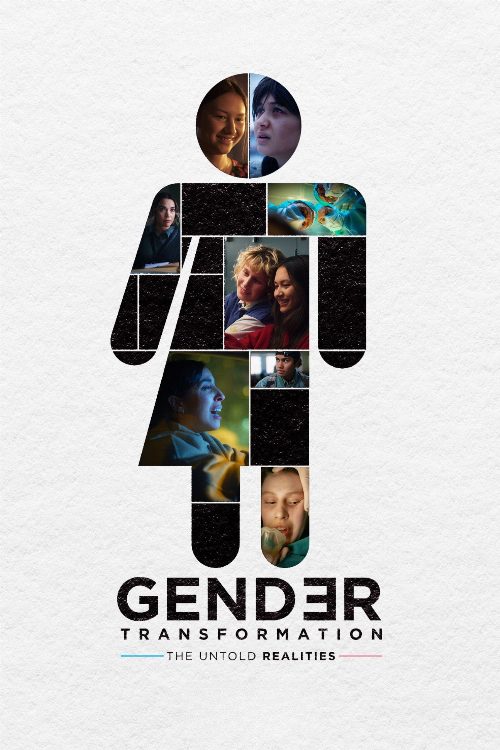
Gender Transformation: The Untold Realities(2026)
About Gender Transformation: The Untold Realities
What's behind the rise of transgender movement? What are the implications on our youth? This docudrama provides an uncensored look into the forces behind the movement and reveals untold stories you have never heard in other media.
The cinematic landscape of 2026 continues to diversify its reach, stepping away from traditional regional storytelling to tackle global sociopolitical phenomena that challenge modern cultural norms. Tobias Elvhage brings a provocative perspective to the screen with Gender Transformation The Untold Realities, a documentary project that seeks to dissect the rapid expansion of the transgender movement. By centering the dialogue around the psychological and sociological impacts on contemporary youth, the film positions itself as a clinical yet controversial inquiry into the structural forces shaping identity politics today. It represents a significant departure from the mainstream discourse often seen in commercial cinema, opting instead for a investigative tone that demands the viewer grapple with complex, often polarizing, medical and social questions.
For audiences familiar with the intense societal debates currently unfolding across global media, this feature acts as an uncensored repository for perspectives that are frequently marginalized in conventional reporting. The production utilizes the insights of individuals like Miriam Grossman, Christoffer Willen, and Joel Franzen to anchor its narrative, moving beyond mere speculation to provide a platform for those questioning the velocity of current social transitions. While the documentary industry in India and abroad is currently saturated with biopics and historical dramas, this film carves out a niche for those who prioritize intellectual confrontation over escapism. It is a work designed specifically for viewers who enjoy deep-dive investigative journalism and are willing to engage with materials that aim to deconstruct the prevailing zeitgeist rather than mirror it.
Tobias Elvhage demonstrates a clear intent to provoke critical thinking, positioning this film as a counter-narrative to the prevailing media consensus. Whether the subject matter aligns with one’s personal ideology or challenges it, the film serves as a vital artifact of the current ideological divide defining the mid-twenties. The documentary does not merely present a series of talking heads; it frames these testimonies within a broader examination of institutional influence and developmental psychology. Those who appreciate cinema that functions as a catalyst for debate will find this project essential viewing, as it meticulously maps out the untold stories that lie beneath the surface of the headlines. By focusing on the intersection of youth development and radical societal shifts, the film ensures that the conversation surrounding gender identity remains at the forefront of the global cultural agenda for years to come.
Cast(19)